
Last updated September 25, 2026
ADU Warning Signs: A Rancho Cucamonga Homeowner’s Reference Guide
The three most expensive ADU disputes in California in 2024, each exceeding $80,000 in contested costs, shared one common element: the homeowner had no written record of scope changes made after the original contract was signed. In Rancho Cucamonga, where ADU permits have climbed steadily since the 2017 state law changes, the warning signs of a failing project rarely show up in cracked concrete or crooked walls first. They surface in paperwork gaps, verbal promises, and permit statuses that don’t match what your contractor told you last Tuesday. This guide walks you through the specific documentation, schedule, financial, and physical warning signs we’ve documented across 900+ ADU projects since 2015, with particular attention to Rancho Cucamonga’s Building & Safety processes, Inland Empire climate conditions, and the permit verification steps any homeowner can perform independently.
Quick Answer
The most critical ADU warning signs in Rancho Cucamonga appear in four categories: missing or unsigned change orders in your contract file, a permit status that doesn’t show “Issued” in the city’s online system despite your contractor’s claim, draw payments scheduled by calendar date rather than passed inspection, and framing lumber installed without acclimation to Inland Empire dry conditions. Check your permit status at Rancho Cucamonga Building & Safety independently. If your contractor resists providing lien releases or a written permit number within 48 hours of claimed submission, these are immediate red flags requiring documentation before the next payment.
Table of Contents
- Document Warning Signs: What Should Be in Your File Right Now
- Schedule Warning Signs: When Timing Exposes Trouble
- Financial Warning Signs: Payment Structures That Predict Disputes
- Physical Warning Signs Specific to Rancho Cucamonga Builds
- How to Check Rancho Cucamonga Permit Status Independently
- Common Mistakes to Avoid
- When to Call a Professional
- Frequently Asked Questions
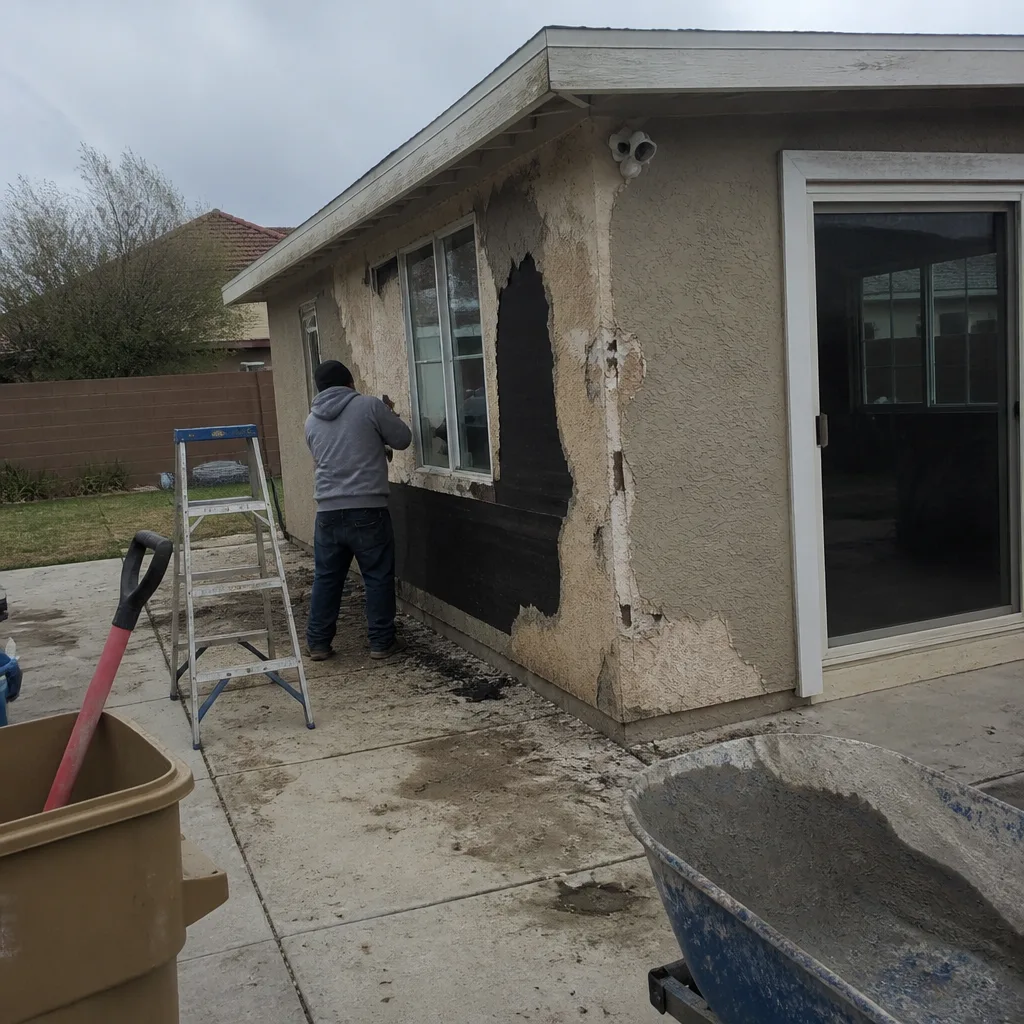 Before
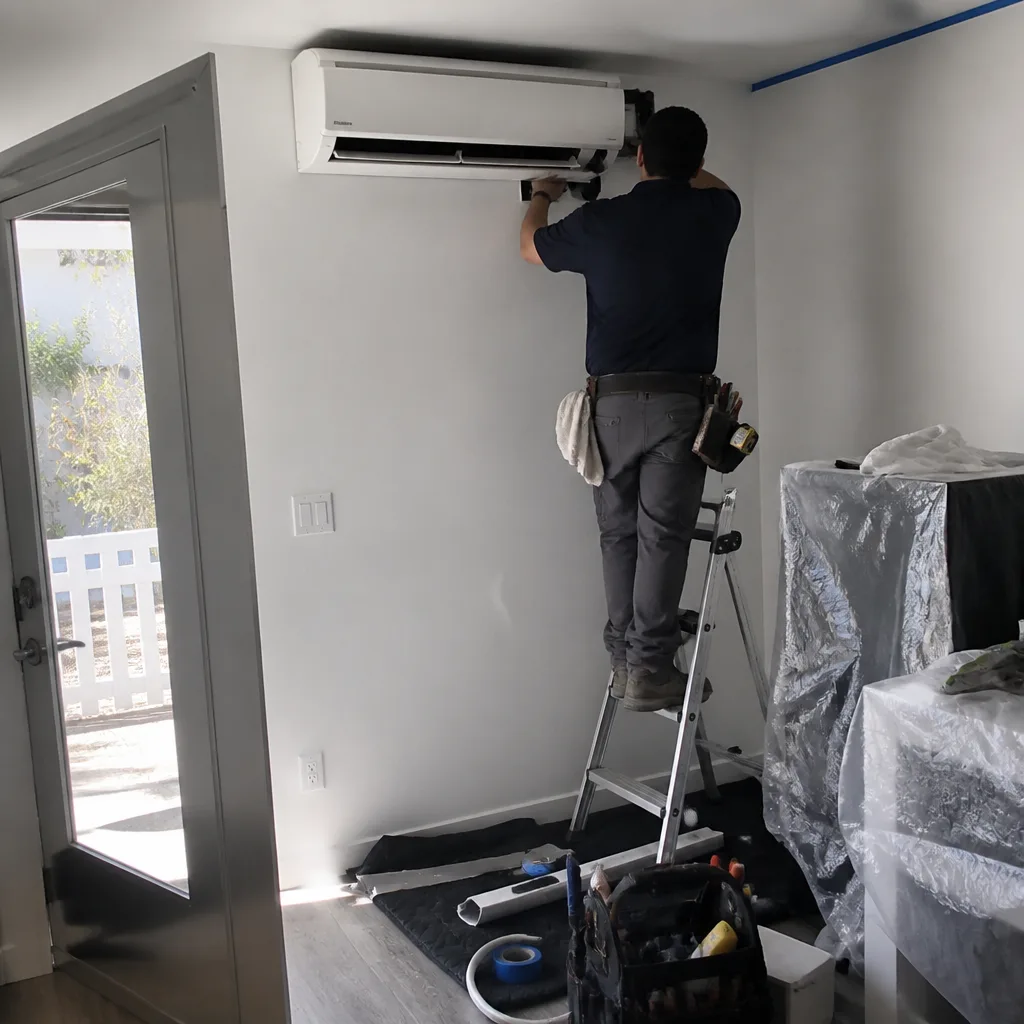 After
AfterDocument Warning Signs: What Should Be in Your File Right Now
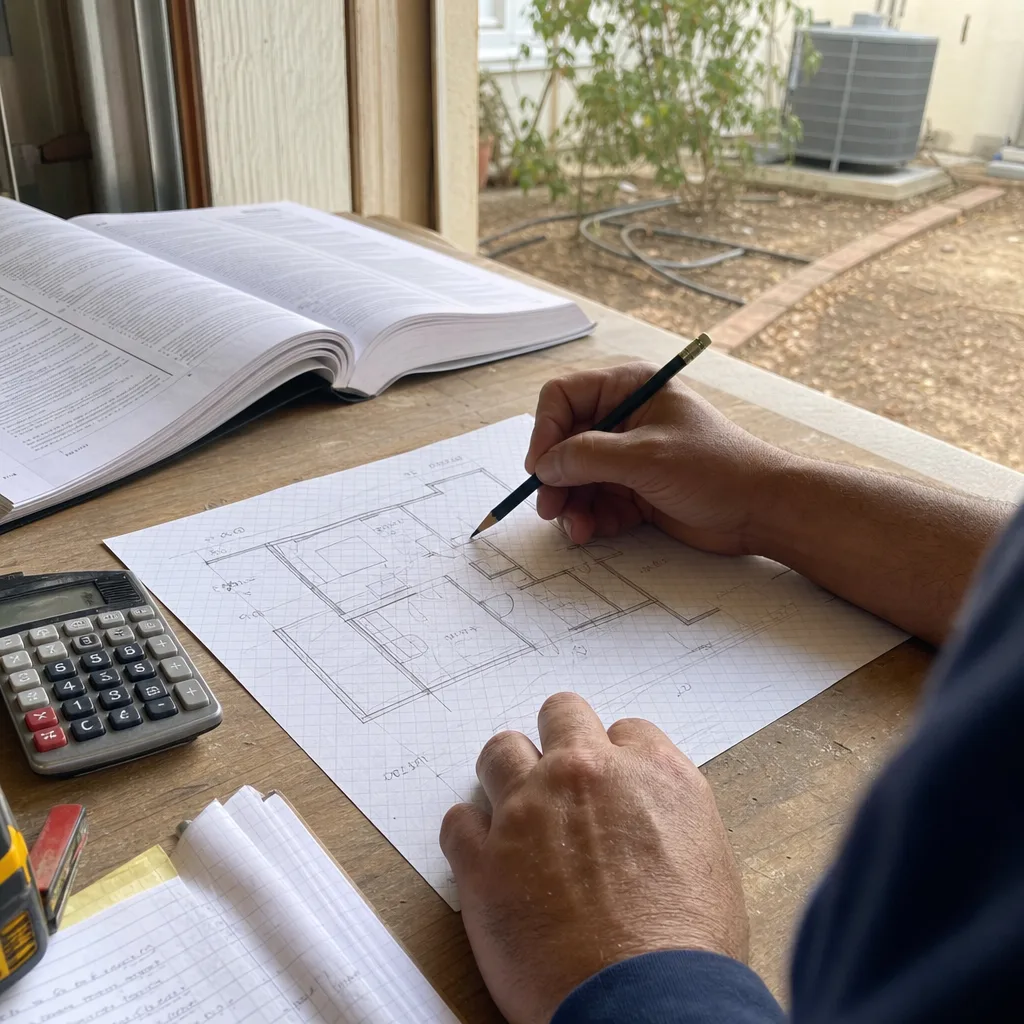
The contract file is where ADU projects live or die, and most homeowners don’t know what belongs in it. After reviewing hundreds of disputed projects, we’ve found that the absence of three specific documents predicts litigation with remarkable consistency.
No permit number provided after claimed submission. In Rancho Cucamonga, Building & Safety issues a permit number immediately upon acceptance of a complete application. If your contractor says “the permit is in” but cannot produce the permit number, or produces a number that doesn’t appear in the city’s online permit lookup, you have a documentation failure, not a processing delay. The city does not hold permit numbers in reserve. We have seen contractors in the Inland Empire claim “permit pending” for six months when no application was ever submitted. The permit number should be in your file within 48 hours of your contractor’s claim, and you should verify it yourself.
Change orders delivered verbally. Every scope modification, from moving a window to upgrading electrical panels, must exist as a signed document with a dollar amount and a description of work. Verbal change orders are unenforceable and, in our experience, generate 70% of cost disputes. Under Ellery ADU Studio Rancho Cucamonga home‘s Haven Standard, Clause 5 (No Surprises), the scope is locked at signing; any modification requires a written addendum before work proceeds. If your contractor says “we’ll sort it out at the end,” you are accumulating undocumented liability.
Contract that references “plans to be determined.” This language appears in contracts where the design and construction are split between separate entities, or where the contractor intends to bid the job to subcontractors after you’ve signed. A design-build contract should reference specific permitted drawings by date and revision number. If your contract contains placeholders for scope items, you do not have a fixed price. You have an estimate that will grow.
Your file should contain, at minimum:
- Signed contract with specific scope references and a fixed written price
- Permit set (stamped drawings) matching the contract scope
- Permit application confirmation or issued permit with verifiable number
- Signed change orders for any deviation from original scope
- Inspection schedule with city-required milestones
- Lien release template or pre-signed conditional releases for each payment stage
In Rancho Cucamonga’s North Etiwanda and Victoria Groves neighborhoods, where many ADU projects involve hillside grading or utility extensions, we’ve also seen contractors omit geotechnical reports from the file. If your project required soil testing, that report belongs with your permit set. Its absence means your foundation design may lack city-required documentation.
Schedule Warning Signs: When Timing Exposes Trouble
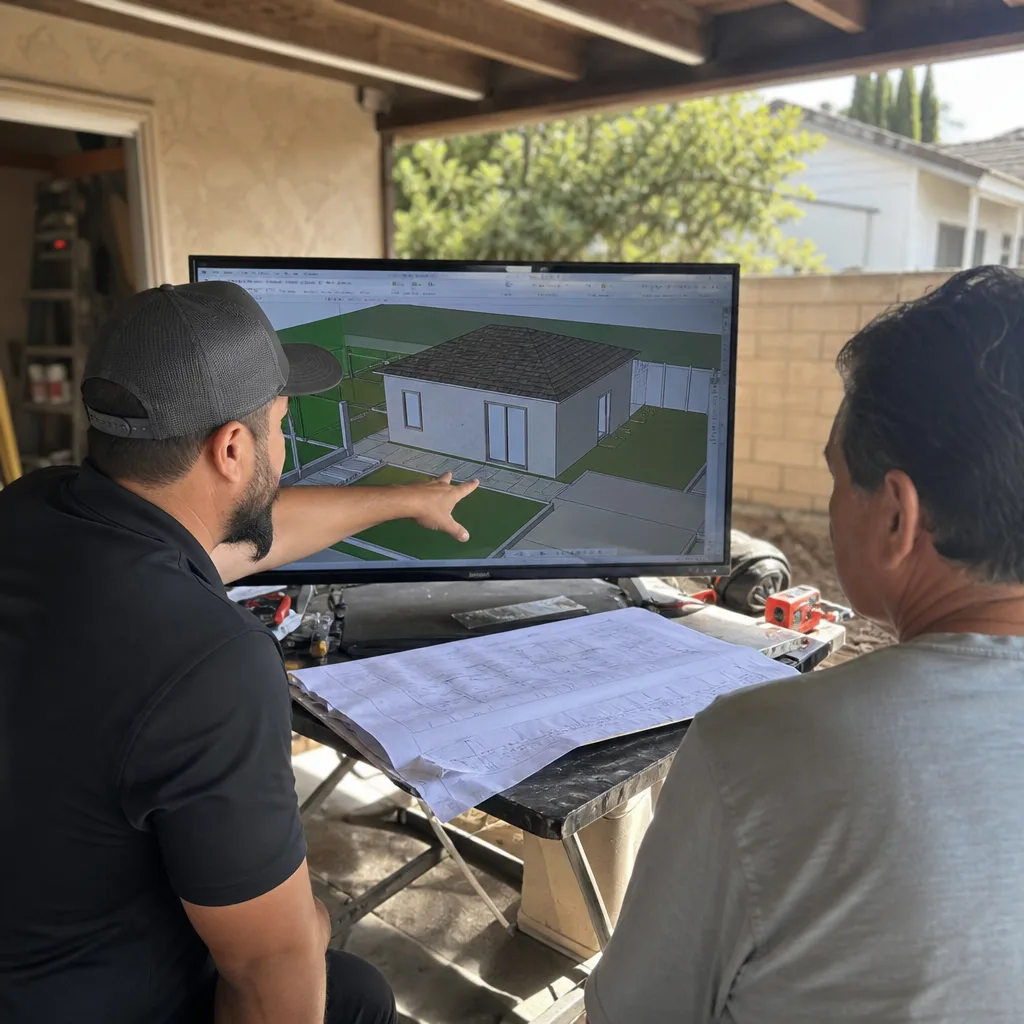
Construction schedules reveal problems before walls do. Three specific timing anomalies should trigger immediate documentation and conversation with your contractor.
Subcontractors arriving before permit issuance. Demolition, site prep, and even material delivery can occur before permit issuance on some projects, but structural work, rough plumbing, and electrical panel installation require an issued permit. If framers or electricians are on site and your permit status shows “In Review” or “Plan Check” in Rancho Cucamonga’s system, your contractor is building without authorization. The city can issue a stop-work order, and any work performed may not count toward inspection milestones. Worse, your contractor may be using this period to generate “pre-construction” billings that fall outside normal draw protection.
Framing inspection not called when framing is complete. In our experience across 900+ ADUs, the framing inspection is the most commonly skipped or delayed milestone. Contractors sometimes pressure homeowners to conceal incomplete framing with drywall, claiming it saves time. It does not. It conceals structural deficiencies from the inspector and transfers liability to you. In Rancho Cucamonga, the framing inspection covers shear wall nailing, hold-down installation, and fire-blocking in garage conversions - elements that cannot be verified after drywall installation. If your framing has been complete for more than five business days without an inspection date, ask for the inspection request confirmation number. The city provides these immediately upon scheduling.
Final inspection deferred past move-in. This occurs most often in rental ADU scenarios where the owner is eager to generate income. Your contractor may suggest occupying the unit while “wrapping up final details.” In California, this is illegal without a Certificate of Occupancy (C of O) or equivalent final approval. In Rancho Cucamonga, a “closed” permit without a C of O is not a completed permit. We explain this distinction in detail below. If your contractor suggests move-in before final inspection, you are accepting uninspected electrical, plumbing, and structural work, and your homeowner’s insurance may not cover incidents in the unpermitted space.
The correct inspection sequence for a Rancho Cucamonga ADU follows this order:
- Foundation/Slab inspection (if new construction or garage conversion requiring new slab)
- Under-floor plumbing and electrical (before concrete pour or subfloor installation)
- Framing inspection (shear walls, hold-downs, fire-blocking visible)
- Rough plumbing, electrical, and mechanical (before insulation and drywall)
- Insulation inspection (where required by energy code)
- Drywall/nail inspection (where required)
- Final plumbing, electrical, and mechanical
- Final building inspection and Certificate of Occupancy issuance
Each step requires city sign-off before concealment. A contractor who suggests overlapping or skipping these steps is not saving you time. They are avoiding accountability.
Financial Warning Signs: Payment Structures That Predict Disputes
Money flows predict project outcomes with uncomfortable accuracy. The structure of your payment schedule matters as much as the total price.
Draw schedule tied to calendar dates rather than inspection milestones. This is the single most reliable predictor of payment disputes we’ve identified. A contract that says “25% due at 30 days, 25% at 60 days, 25% at 90 days, balance at completion” places no obligation on the contractor to achieve actual progress. Weather delays, material shortages, or crew availability problems become your financial burden. The correct structure ties each draw to a passed inspection: foundation, framing, rough utilities, final. This aligns payment with verified completion, not elapsed time. Under Haven Standard Clause 1, every ADU Design & Permitting in Rancho Cucamonga project we undertake specifies inspection-milestone draws, with the written price fixed before any work begins.
Lien releases not provided at each payment stage. California mechanics lien law allows subcontractors and suppliers to file liens against your property if your general contractor fails to pay them, even if you’ve paid the general in full. The only protection is a signed conditional lien release from every party who provided labor or materials through that payment stage. If your contractor provides only their own release, or suggests “we’ll handle all that at the end,” you are exposed to double payment risk. In Rancho Cucamonga’s active ADU market, where multiple trades may rotate through your project, this exposure is significant. Demand releases at each draw, and verify that the releasing parties match the subcontractors you’ve observed on site.
Large upfront deposits with minimal protection. California limits residential construction deposits to 10% of the contract price or $1,000, whichever is less, before work begins. Some contractors circumvent this by characterizing initial payments as “design fees” or “permit processing” in split-contract arrangements. If your project uses separate design and construction contracts, examine whether the combined upfront payment exceeds this limit. More importantly, ask what specific deliverables accompany each payment. “Permit processing” should produce a verifiable permit application; “design fees” should produce drawings you can review and approve.
We recommend this payment verification checklist for every Rancho Cucamonga ADU project:
- Initial deposit accompanied by signed contract with fixed written price and specific scope
- Each subsequent draw conditioned on passed inspection, with inspection report in your file
- Conditional lien releases from general contractor and all named subcontractors at each payment
- Final payment only after Certificate of Occupancy issuance and final lien release
- Retention of 5-10% until all punch-list items are documented complete
The Garage Conversion ADU in Rancho Cucamonga projects we see most often involve existing structure conditions that aren’t fully visible until demolition. A fixed price with inspection-milestone draws protects you from the “we found asbestos/termites/bad wiring” surprise that derails budget and trust.
Physical Warning Signs Specific to Rancho Cucamonga Builds
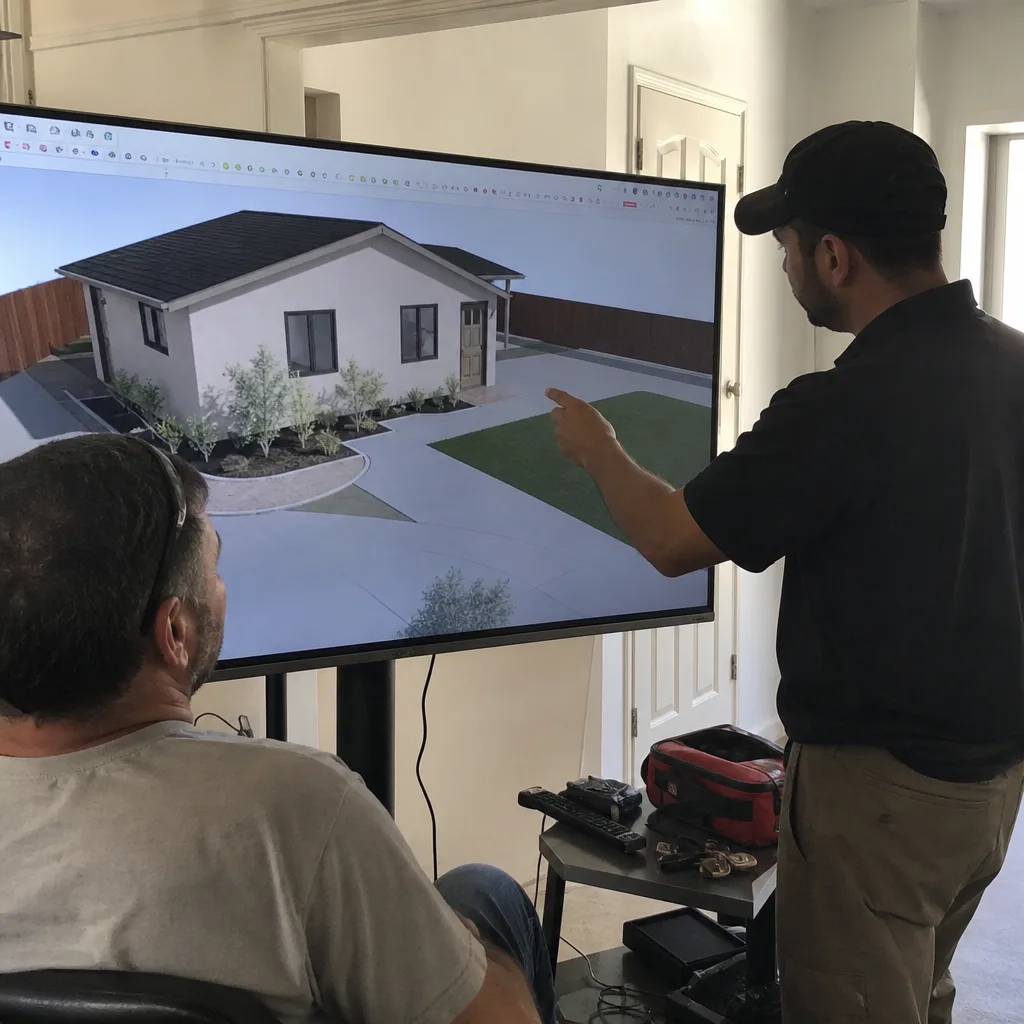
Inland Empire construction has specific environmental demands that contractors from coastal or northern markets sometimes overlook. These physical indicators suggest inadequate local preparation.
Framing lumber not acclimated to dry conditions. Rancho Cucamonga’s climate averages 14 inches of annual rainfall and summer relative humidity below 30%. Lumber delivered from mill or yard at higher moisture content will shrink significantly after installation, opening gaps at joints and compromising shear wall performance. Proper acclimation requires lumber staged on site, stickered for air circulation, for 72 hours minimum before installation. If your framing crew installs lumber directly from the delivery truck, or if you see warping, twisting, or gap-opening within weeks of framing completion, the material was not prepared for local conditions. In New Detached ADU in Rancho Cucamonga construction, where structural performance is critical for seismic resistance, this is not a cosmetic issue.
Stucco applied over unsealed penetrations during Santa Ana season. The Santa Ana winds, typically October through March, drive dry air across the Inland Empire at sustained speeds that accelerate moisture evacuation from fresh stucco. More critically, they force water into any penetration that isn’t properly flashed and sealed. If your contractor applies stucco base coat during Santa Ana conditions without first sealing window bucks, door frames, and utility penetrations with approved peel-and-stick membrane or equivalent, water intrusion is likely within the first two rainy seasons. We’ve documented this failure pattern particularly in Rancho Cucamonga’s newer developments south of the 210, where tighter construction schedules sometimes override weather-appropriate sequencing.
Insufficient foundation depth for expansive soils. Rancho Cucamonga’s southern and eastern zones, including portions of Etiwanda and the foothill transition, contain expansive clay soils that swell with moisture and shrink during dry periods. Foundation design must account for this through deeper footings, post-tension slabs, or engineered pier systems. A contractor who proposes a standard 12-inch footing depth without soil report reference, or who dismisses local soil conditions as “all the same,” is risking slab cracking and structural movement. The permit set should include a geotechnical report for any new detached ADU in these zones, and the foundation detail should reference it by report number and date.
HVAC sizing without Manual J calculation for Inland Empire conditions. Rancho Cucamonga’s temperature extremes, 100°F+ summer days and occasional winter lows below freezing, demand precise heating and cooling load calculation. Rule-of-thumb sizing (“one ton per 400 square feet”) produces units that cycle inefficiently, fail to dehumidify adequately, or cannot maintain setpoint during heat waves. The permit set should include a Manual J calculation specific to your ADU’s orientation, insulation values, and local design temperatures. Its absence suggests your contractor is guessing at a six-figure project’s mechanical performance.
For homeowners considering prefab or modular systems, brand-specific installation requirements matter. A New Detached ADU in Rancho Cucamonga using Mighty Buildings’ polymer composite panels requires foundation tolerances tighter than conventional framing. Boxabl’s fold-out units need crane access and staging area dimensions that must be verified before delivery scheduling. Plant Prefab’s steel-frame systems demand electrical grounding details that differ from wood-frame construction. These are not afterthoughts. They are permit-set elements that must be coordinated before site work begins.
How to Check Rancho Cucamonga Permit Status Independently
Permit verification is your most powerful protection, and it requires no contractor cooperation once you know the address or permit number.
Rancho Cucamonga Building & Safety maintains online permit lookup through the city’s official website. The system displays application date, status, trade permits (electrical, plumbing, mechanical), inspection history, and final disposition. You should check this system at three critical project stages: when your contractor claims the permit application is submitted, when they announce permit issuance, and when they declare the project complete.
Step-by-step verification:
- Navigate to the Rancho Cucamonga Building & Safety permit lookup portal using the property address or permit number
- Verify that the application type matches your project (ADU, garage conversion, addition)
- Confirm the applicant name matches your contractor or their designated agent
- Check that the status progression follows logical sequence: Application Submitted → Plan Check → Revisions Required (if any) → Issued → Inspections → Final Approval
- For each inspection your contractor claims to have passed, verify the inspection date and result in the online record
What “Closed” without C of O means: In Rancho Cucamonga’s system, a permit can show “Closed” for several reasons: final approval with Certificate of Occupancy issued (the desired outcome), voluntary withdrawal by the applicant, expiration after 180 days of inactivity, or administrative closure for non-compliance. A “Closed” status without explicit C of O notation is not completion. We have seen homeowners occupy ADUs for months before discovering their permit was administratively closed for failed inspections, with no valid C of O ever issued. If your permit shows “Closed,” request the C of O document directly from your contractor and verify its permit number matches your project.
Red flag statuses to watch for:
- “Issued” with no inspection activity for 30+ days: work may not have started, or may be proceeding without inspection calls
- “Revisions Required” that your contractor never disclosed: permit drawings may not match what’s being built
- Multiple “Failed” inspections for the same trade: systematic quality or code compliance problem
- “Expired” status: permit lapsed, work must stop until renewal, and any work performed during expiration is unpermitted
The city’s permit technicians are available by phone during business hours for status clarification. You are not required to route questions through your contractor. Direct verification is your right as the property owner and permit applicant of record.
Common Mistakes to Avoid
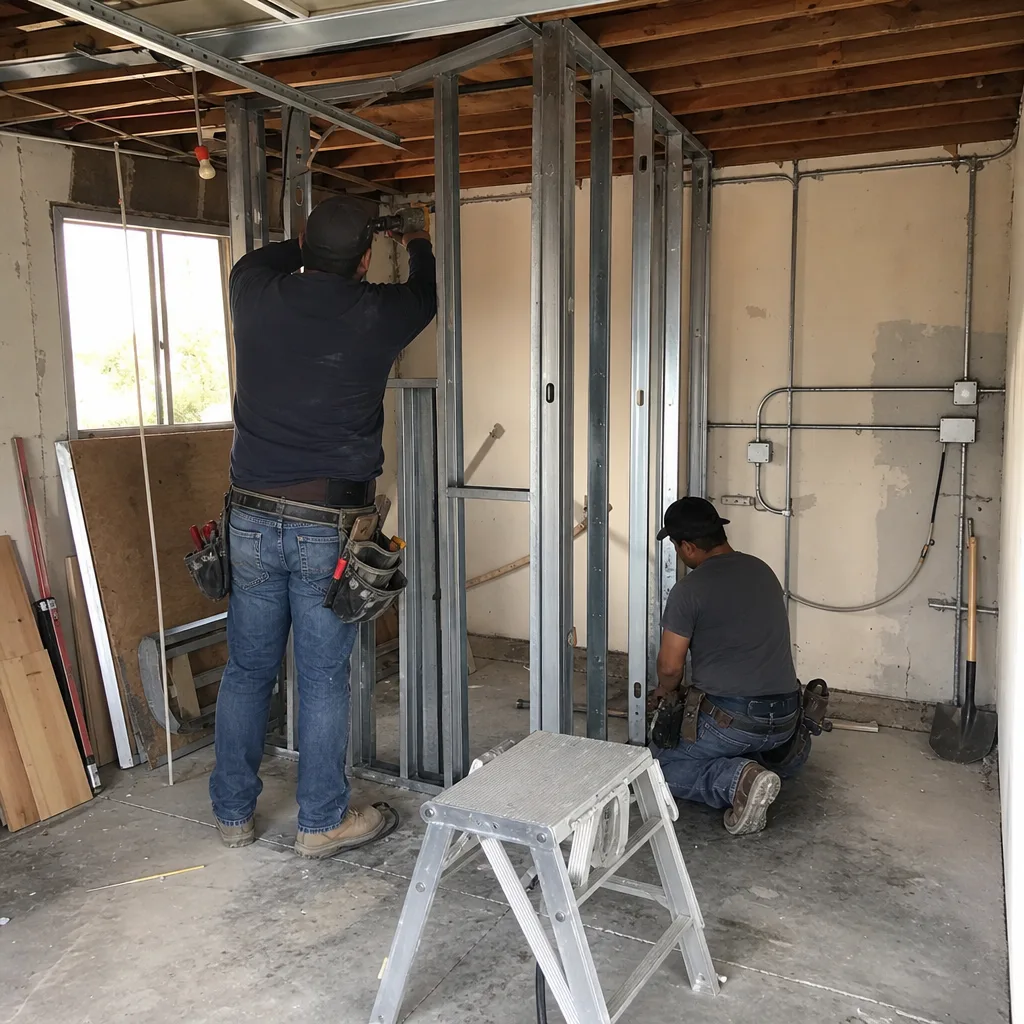
- Accepting “permit expediting” as a billable service without defined deliverables. Some contractors charge for permit “expediting” that consists of standard submission with no follow-up. Define what this service includes: pre-application meeting attendance, revision response, status monitoring with weekly reporting, or simply dropping off plans. Vague language produces vague results.
- Signing a contract with a “cost plus” or “time and materials” structure for a defined scope. These structures have legitimate applications in emergency repair or undefined scope work. For an ADU with permitted drawings, they transfer all cost risk to you while removing the contractor’s incentive for efficiency. Fixed price, written before work starts, is the appropriate structure.
- Neglecting to verify that your contractor’s license classification covers ADU construction. A B-General Building contractor can construct ADUs, but some projects require specialty classification for electrical (C-10), plumbing (C-36), or structural work. Verify license status at cslb.ca.gov, and confirm the license number on your contract matches the active license for the entity performing work.
- Failing to document existing conditions before construction begins. In Rancho Cucamonga’s established neighborhoods like Alta Loma and Cucamonga proper, garage conversions often reveal conditions that differ from original construction records. Photograph existing slab, roof structure, electrical panel, and property lines before any demolition. These images protect both parties if disputes arise about pre-existing damage or unanticipated conditions.
- Assuming that prefab or modular delivery simplifies permitting. Factory-built units from Tuff Shed, Plant Prefab, or other manufacturers still require site-specific foundation design, utility connection plans, and Rancho Cucamonga Building & Safety approval of the installation. The factory certification is not the permit. We’ve coordinated these systems within our single-contract model, and the permit process remains substantial.
- Paying the final draw before receiving the Certificate of Occupancy and final lien releases. This is the most common and most costly mistake. Once final payment is made, your leverage for completion of punch-list items, correction of inspection failures, or resolution of subcontractor payment issues is minimal. The C of O is the city’s confirmation that your ADU is legal for occupancy. Nothing less suffices.
When to Call a Professional
Contact a design-build professional immediately if you encounter any of the following: your contractor cannot produce a verifiable permit number within 48 hours of claimed submission; change orders are proposed verbally without written documentation; your payment schedule lacks inspection milestones; or your Rancho Cucamonga permit status shows “Failed” or “Expired” that your contractor hasn’t disclosed. These are not minor process variations. They are structural failures in project governance that compound with each payment made. See How to Hire a ADU Contractor in Rancho Cucamonga: A Step-by-Step Guide to avoid these pitfalls from the start.
Ellery ADU Studio Rancho Cucamonga offers free estimates in Rancho Cucamonga, including a Free Second Opinion on any written estimate already in your hand. We document what we find, not what we feel, and every project is governed by The Haven Standard: a written price before work starts, a documented photo record on every visit, and a 365-Day Done Right Promise backed in writing. A live person answers calls 24/7 at (909) 506-1121.
Frequently Asked Questions
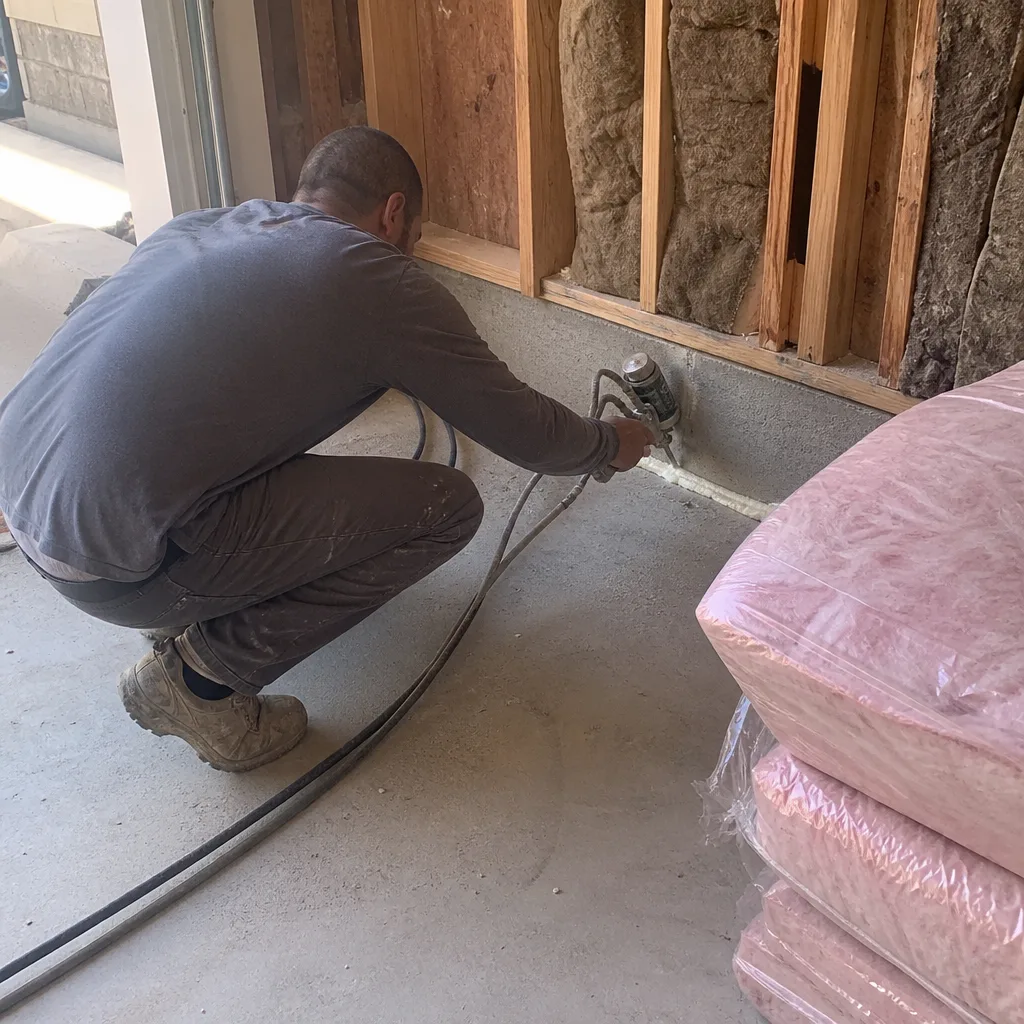
Remediation costs typically range from $15,000 for documentation and inspection catch-up to $80,000+ for structural rework, permit reinstatement, and legal dispute resolution. The $80,000+ figure matches the three most expensive California ADU disputes in 2024, each involving undocumented scope changes and expired permits. Call (909) 506-1121 for a Free Second Opinion on your specific situation - estimates are free.
Under a properly structured fixed-price contract with inspection-milestone draws, the price should not change unless you request scope modifications documented in signed change orders. Under Haven Standard Clause 1, every Ellery ADU Studio project is quoted with a written price before any work begins, and Clause 5 locks the scope at signing with no door-side upsells. If your current contract lacks this protection, the price can change unpredictably. Call (909) 506-1121 to review your estimate.
Yes. As a design-build studio, we prepare the permit set, submit to Rancho Cucamonga Building & Safety, respond to plan check comments, and schedule all inspections through final Certificate of Occupancy. The permit set is our core product, not an afterthought, and the permit number is provided to you for independent verification immediately upon issuance. This is included in our single-contract model covering design, permitting, and construction.
A garage conversion ADU typically requires 4-6 months from issued permit to final inspection, assuming no plan check revisions. A new detached ADU in Rancho Cucamonga typically requires 6-10 months, with foundation work and utility connections adding duration. These timelines assume inspection scheduling without delay and weather-appropriate sequencing. Projects that skip inspections or build during permit gaps often appear faster but carry hidden completion risk. Call (909) 506-1121 for a timeline specific to your property and scope.
It means your ADU is not legally occupiable. In Rancho Cucamonga’s permit system, “Closed” can indicate administrative closure for non-compliance, expiration, or withdrawal, none of which produce a C of O. Only “Final Approved” status with explicit C of O issuance confirms legal completion. If your permit shows “Closed” and your contractor claims the project is done, verify the C of O document independently through Building & Safety. Call (909) 506-1121 if you need assistance interpreting your permit status.
Verify at cslb.ca.gov using the license number that must appear on your contract. A B-General Building license permits ADU construction. Check that the license status is “Active,” the workers’ compensation coverage is current if the contractor has employees, and the license holder matches the contracting entity. Discrepancies between the license number on your contract and the active license, or between the licensed name and your payment recipient, are immediate red flags. Ellery ADU Studio’s license number appears on every page of our site for direct verification.
Stop work immediately and document the current state with dated photographs. Contact Rancho Cucamonga Building & Safety to report unpermitted construction and request a compliance inspection. Do not make additional payments. Unpermitted work must be exposed for inspection, remediated to code, or in severe cases demolished and rebuilt, with costs typically falling to the property owner if the contractor is unrecoverable. If you’re in this situation, call (909) 506-1121 for a Free Second Opinion on remediation scope and cost.
The Bottom Line
The warning signs of a failing ADU project appear first in documents, not drywall. A verifiable permit number, signed change orders, inspection-milestone payment draws, and lien releases at each stage are not bureaucratic niceties. They are the structural protections that separate completed, occupiable ADUs from the disputed, unpermitted, or litigated projects that cost California homeowners millions annually. In Rancho Cucamonga’s specific climate and regulatory environment, add acclimated lumber, Santa Ana-appropriate stucco sequencing, and soil-aware foundation design to your verification list. Check your permit status independently. Demand written documentation for every scope change. And before signing any contract, confirm that the price is fixed, the permit set is specified, and the warranty is written, not implied. Still weighing your options? Read our DIY vs Professional ADU: The Rancho Cucamonga Homeowner’s Decision Guide.
Written by Nadia Ellery, Owner at Ellery ADU Studio Rancho Cucamonga, serving Rancho Cucamonga since 2015.