
Last updated September 25, 2026
Seasonal ADU Care for Rancho Cucamonga: Year-Round Homeowner’s Guide
Rancho Cucamonga averages 278 sunny days per year and sits at the base of the San Gabriel Mountains, which means the south-facing wall of a detached ADU receives UV exposure that accelerates exterior coating failure roughly 30% faster than manufacturer test conditions assume. Most maintenance guides treat the Inland Empire like coastal Orange County or the Central Valley. That mistake costs homeowners in premature siding replacement, voided warranties, and permit-triggered corrections. In this guide, you’ll learn the inspection intervals calibrated to Rancho Cucamonga’s actual climate stress profile, the Santa Ana wind protocol that protects roof systems, and how maintenance neglect interacts with your construction warranty in ways most owners don’t discover until they file a claim.
Quick Answer
ADU maintenance in Rancho Cucamonga follows a four-season schedule keyed to local climate stress: summer exterior coating inspection every 18 months (not the standard 24), fall Santa Ana wind prep for roof and attic ventilation, winter pipe insulation for foothill elevations above 1,800 feet, and spring drainage grading inspection after El Niño-pattern rain years. Neglecting these intervals can void workmanship warranties, particularly for waterproofing and exterior finish systems.
Table of Contents
- Summer: UV Degradation and HVAC Load
- Fall: Santa Ana Wind Protocol
- Winter: Freeze-Thaw Risk in Foothill Zones
- Spring: Drainage and Grading Inspection
- How Maintenance Affects Your Warranty
- Prefab and Modular ADU Considerations
- Common Mistakes to Avoid
- When to Call a Professional
- Frequently Asked Questions
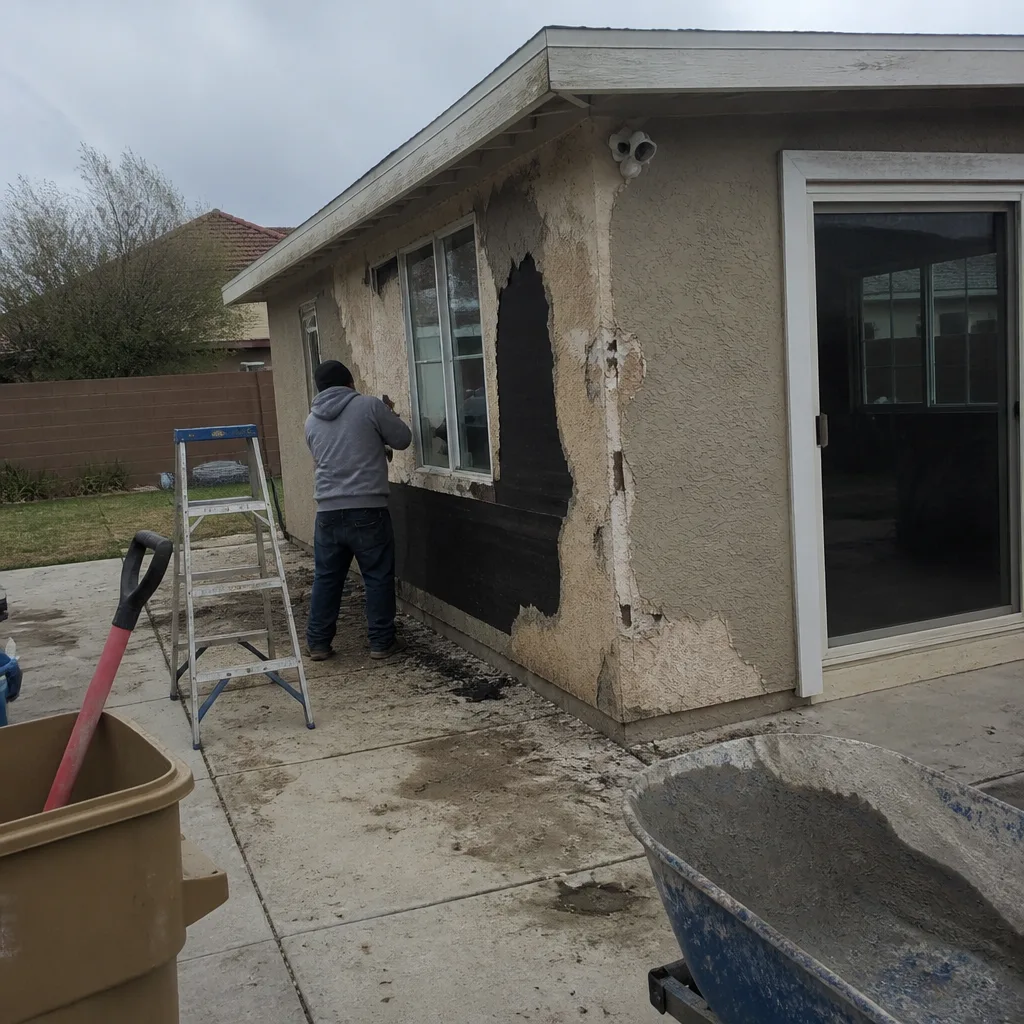 Before
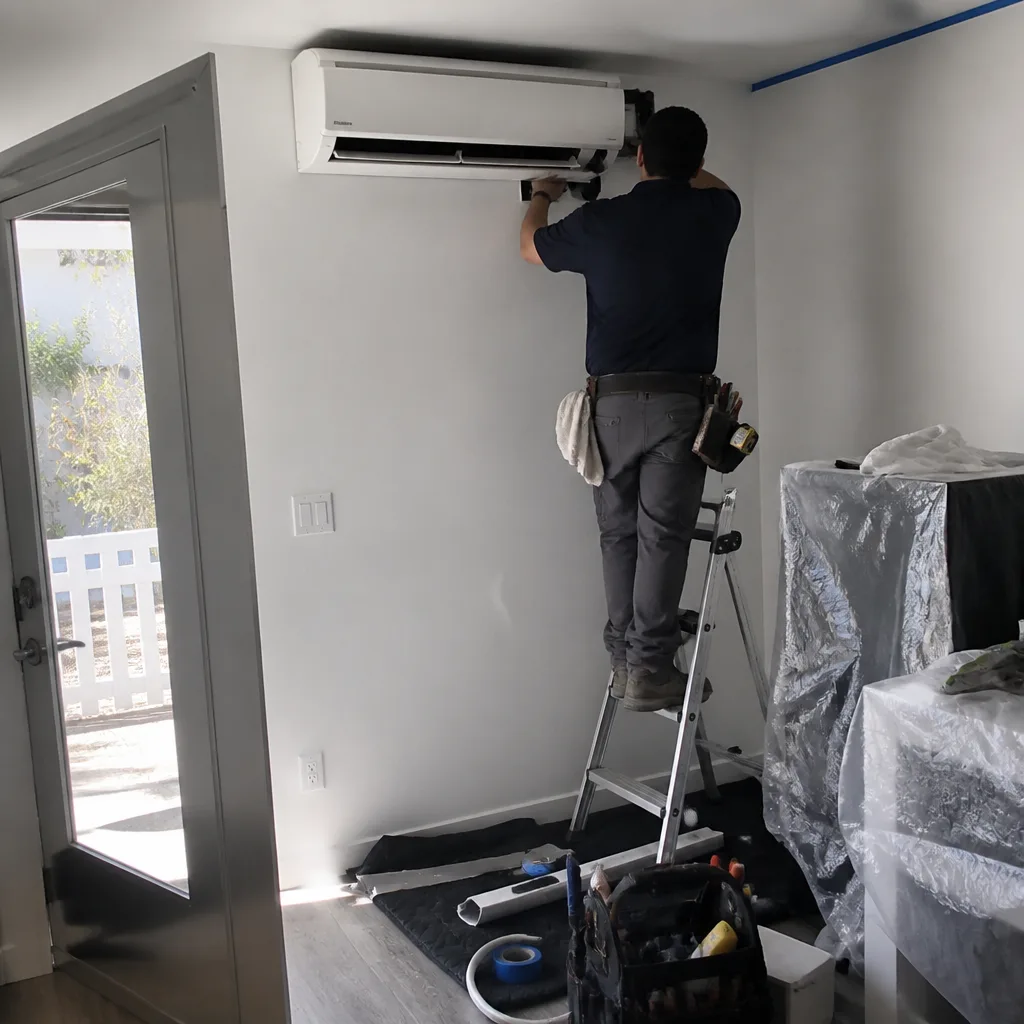 After
AfterSummer: UV Degradation and HVAC Load
Exterior Coating Inspection Intervals
The south and southwest faces of a detached ADU in Rancho Cucamonga absorb UV radiation that degrades paint, stain, and factory-applied coatings faster than the national 24-month inspection cycle assumes. We specify an 18-month inspection interval for ADUs we build here, with recoating or touch-up at year 4-5 rather than the manufacturer-stated 7-10.
What to look for on your 18-month walk-around:
- Chalking - rub your hand across the surface; if a powdery residue transfers, the coating’s UV inhibitors are depleted and substrate protection is failing.
- Crazing in elastomeric coatings - fine surface cracking that precedes water intrusion, common on stucco-surfaced ADUs with dark color schemes that absorb more thermal energy.
- Sealant failure at window and door perimeters - the daily expansion-contraction cycle in Rancho Cucamonga’s 40°F+ summer diurnal range fatigues sealant faster than moderate climates.
For new detached ADUs in Rancho Cucamonga, we specify lighter-reflectance colors and ceramic microsphere additives in the coating system. These aren’t cosmetic preferences; they extend coating life by reducing surface temperature 15-25°F on 100°F days, which directly reduces thermal movement stress.
HVAC Filter Schedule for Wildfire Smoke Season
Rancho Cucamonga’s wildfire smoke exposure typically runs July through October, with peak particulate load in September. Standard 90-day filter replacement becomes inadequate. We advise:
- MERV 13 filters during smoke events (September-October typically), checked monthly
- Standard MERV 8 for remainder of year, replaced every 60 days due to dust load from Santa Ana wind pre-season
- Coil inspection annually - smoke particulates bypass filters at higher rates during pressure events and deposit on evaporator coils, reducing efficiency 10-15% before the homeowner notices
The documented photo record we provide on every ADU Design & Permitting in Rancho Cucamonga visit includes HVAC filter condition and coil inspection images, so owners have evidence of maintenance compliance if warranty claims arise.
Fall: Santa Ana Wind Protocol
Santa Ana wind events in Rancho Cucamonga typically peak October through January, with sustained winds 25-45 mph and gusts exceeding 60 mph in foothill zones. The pressure differential these winds create across an ADU roof is the primary cause of ridge cap uplift, attic ventilation screen breach, and subsequent ember intrusion during fire events.
Pre-Wind-Season Checklist
- Roof valley clearance: Remove accumulated debris from all valleys. In Rancho Cucamonga, this means palm frond segments, eucalyptus bark, and pine needles from the San Gabriel foothill zone. Debris dams create hydraulic pressure during rare but intense rain events and provide fuel if embers land.
- Ridge cap inspection: Check for lifted or separated tabs. Santa Ana winds generate uplift at the ridge line that standard fastening patterns may not resist. We specify six nails per shingle in ridge zones on ADUs we build, not the code-minimum four.
- Attic ventilation screen integrity: Verify 1/8-inch mesh is intact with no corrosion holes. Embers enter through compromised screens and ignite accumulated dust. In Rancho Cucamonga’s fire severity zones, this is not a theoretical risk.
- Soffit vent baffling: Confirm that insulation hasn’t blocked soffit vents during summer attic heat - a common finding in ADUs where owners added insulation without maintaining airflow paths.
The Haven Standard, Clause 3 (Documented Condition), requires we photograph attic ventilation status at final walkthrough, but annual owner verification between our visits is necessary for warranty coverage of roof system components.
Winter: Freeze-Thaw Risk in Foothill Zones
Rancho Cucamonga’s elevation ranges from approximately 1,200 feet in the southwest to over 3,000 feet in the northern foothills near the San Gabriel Mountains. ADUs above 1,800 feet experience hard freeze conditions (below 28°F sustained) that trigger pipe burst risk and foundation movement from freeze-thaw cycling in expansive clay soils.
Pipe Insulation Standard for Elevated Lots
California Plumbing Code minimums assume coastal or valley conditions. For Rancho Cucamonga foothill ADUs, we specify:
- Pipe insulation R-4 minimum on all domestic water lines in exterior walls, crawl spaces, and attics - not just the R-2 code minimum
- Heat tape on hose bibs and exterior utility sinks for ADUs above 2,000 feet elevation
- Interior shut-off valves with drain ports for seasonal ADUs or guest units that may sit unoccupied
Foundation movement is the less visible winter risk. Expansive clay soils in the garage conversion ADU zones of southwest Rancho Cucamonga shrink and swell with moisture variation. A winter maintenance walk should include:
- Checking for new diagonal cracks in drywall at door corners - differential foundation movement indicator
- Verifying downspout discharge hasn’t created soil saturation zones near the foundation
- Confirming that landscape irrigation is winterized and not running during freeze periods, which creates artificial soil moisture variation
Spring: Drainage and Grading Inspection
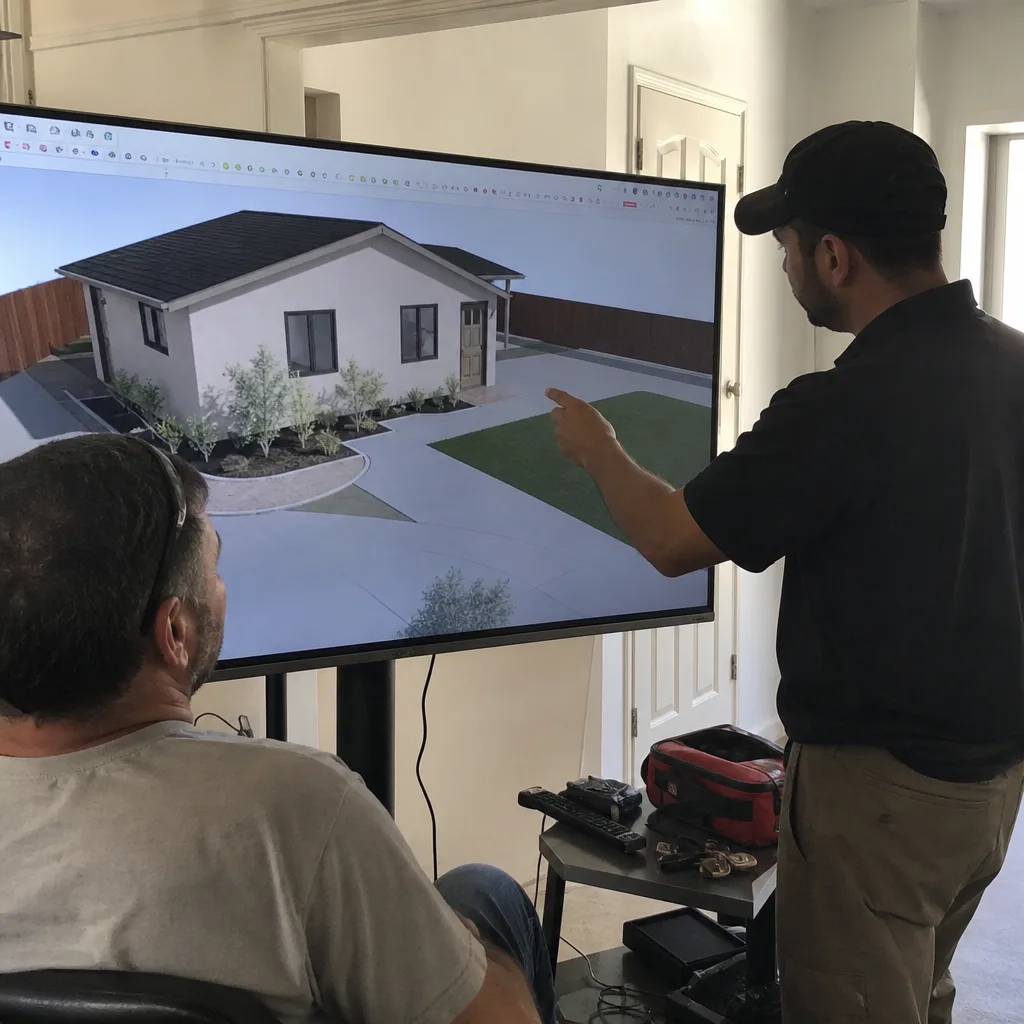
El Niño-pattern rain years in Rancho Cucamonga produce concentrated, high-intensity events rather than extended drizzle. The 2023-2024 season demonstrated this: multiple 2-inch-plus single-day totals that overwhelmed drainage systems designed for average annual rainfall spread across months.
Grading Tolerance and Permit Triggers
Rancho Cucamonga Municipal Code requires positive drainage away from structures with a minimum 2% slope for the first 10 feet. Spring inspection should verify:
- No settlement or erosion has reversed grade toward the ADU foundation
- Hardscape (patios, walkways) hasn’t been added without maintaining drainage paths - a common post-construction modification that creates code violations
- French drains or area drains are flowing freely, not clogged with winter debris
Critical threshold: if spring inspection reveals grading that directs water toward the ADU with less than 2% slope away, corrective grading may trigger a permit if it involves more than 50 cubic yards of earth movement or alters drainage onto adjacent properties. We document original grading in our photo record so owners can demonstrate pre-existing condition if disputes arise.
For Ellery ADU Studio Rancho Cucamonga home projects, the site prep phase includes grading certification with survey documentation. Owners should retain this for spring comparison.
How Maintenance Affects Your Warranty
Construction warranties are conditional, not unconditional. The Haven Standard’s 365-Day Done Right Promise covers defects in workmanship and materials, but maintenance neglect voids specific categories. This is where most ADU owners discover they’ve lost coverage: at claim time, not at signing.
Warranty Category and Maintenance Requirement Cross-Reference
| Warranty Category | Maintenance Required | Common Neglect That Voids Coverage |
|---|---|---|
| Exterior waterproofing (stucco, siding, roofing) | Annual inspection; recoating per specified interval; prompt sealant repair | Failure to reseal within 12 months of visible cracking; coating failure beyond 24 months unaddressed |
| HVAC system | Filter replacement per schedule; annual coil cleaning; refrigerant level verification | Compressor failure due to dirty coils; filter collapse into blower motor |
| Foundation and slab | Grade maintenance; drainage system function; no unapproved landscaping within 5 feet | Root intrusion from unapproved tree planting; soil saturation from redirected downspouts |
| Plumbing | Freeze protection for exposed lines; water heater sediment flush; pressure regulator function | Pipe burst from uninsulated lines; water heater tank failure from sediment accumulation |
Under Haven Standard Clause 5 (No Surprises), we provide the maintenance schedule in writing at project close. The 365-Day Done Right Promise remains in force only when that schedule is followed. We don’t enjoy denying claims, but we can’t warranty against owner neglect - no design-build studio can, and any who claim otherwise are writing checks their insurance won’t cash.
Prefab and Modular ADU Considerations
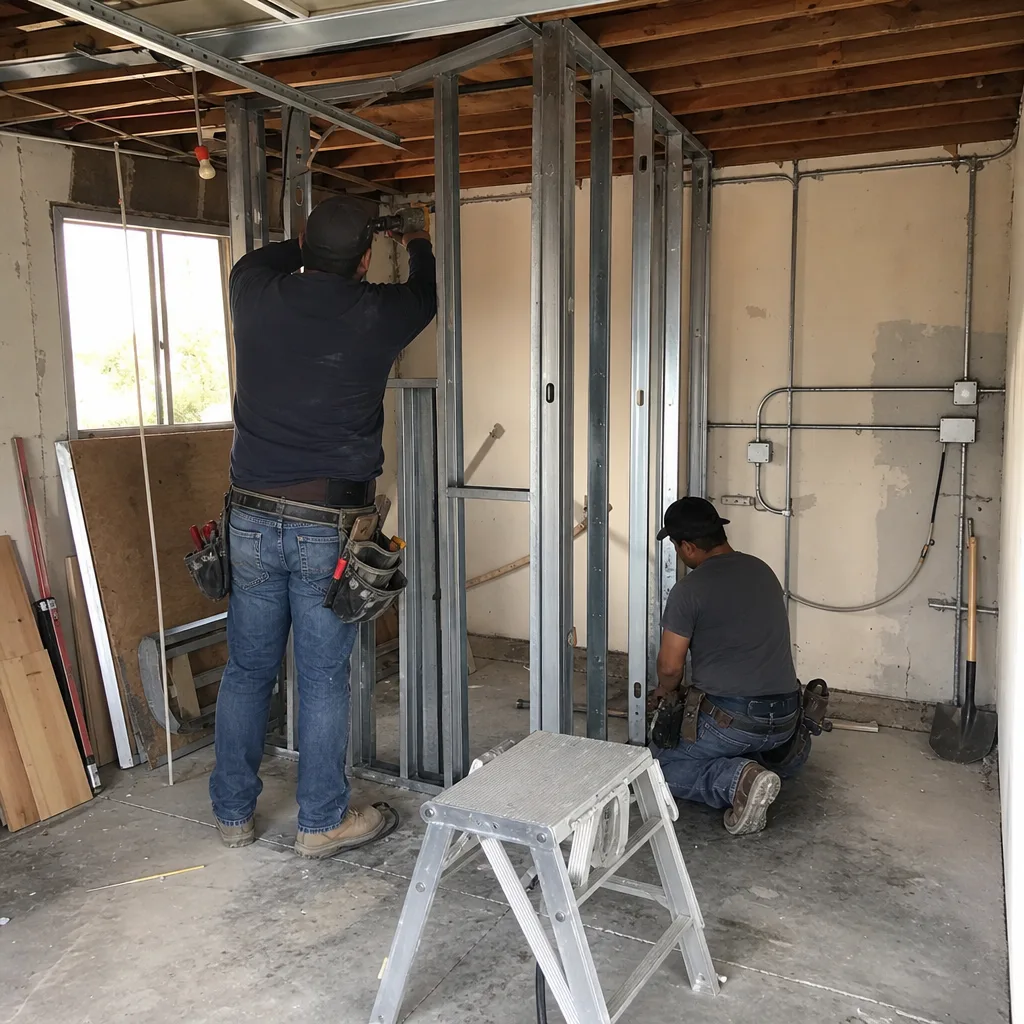
Prefab and modular ADU systems - including those from Mighty Buildings, Boxabl, Plant Prefab, and Tuff Shed - arrive with manufacturer warranties that have their own maintenance conditions, separate from site-work warranties. Coordination between these warranty regimes is a primary reason we specify and coordinate these systems under our single contract rather than leaving owners to manage manufacturer relationships separately.
Manufacturer-Specific Maintenance Variations
- Mighty Buildings (composite panel systems): UV-stable gel coat requires less frequent recoating than conventional paint, but panel seam sealant inspection is critical - thermal expansion coefficients differ from conventional framing and create distinct movement patterns at joints.
- Boxabl (folding module systems): Transport fold seams require annual inspection for sealant fatigue, particularly in high-thermal-movement climates like Rancho Cucamonga. The folding mechanism’s tolerance stack means small foundation settlement shows as door and window misalignment faster than in stick-built construction.
- Plant Prefab (panelized systems): Panel joints and the transitions between factory-built and site-built elements are the maintenance focus. Rancho Cucamonga’s UV load degrades exterior joint sealant faster than the Pacific Northwest conditions where many panelized systems are originally specified.
- Tuff Shed (steel-framed utility structures converted to ADUs): Galvanized coating inspection for white rust (zinc oxide) formation, accelerated by Rancho Cucamonga’s combination of UV and occasional intense rain. Roof fastener torque verification after Santa Ana wind events.
Our single-contract model means the maintenance schedule we provide integrates manufacturer requirements with site-specific conditions. One document, one responsible party, no gaps where manufacturer and builder each point at the other.
Common Mistakes to Avoid
- Treating Rancho Cucamonga like coastal California. The UV index here is comparable to Phoenix, not Pasadena. Maintenance intervals from national guides or coastal contractors fail 30% faster. We’ve replaced exterior coatings on 4-year-old ADUs that should have lasted 10.
- Ignoring Santa Ana wind prep until after the first event. By October, roofing supply houses in Rancho Cucamonga are backordered on ridge cap fasteners. Inspect and stock in September.
- Assuming all of Rancho Cucamonga has the same freeze risk. An ADU at 1,300 feet near Victoria Gardens faces different winter requirements than one at 2,400 feet near the North Etiwanda Preserve. Know your elevation and adjust pipe insulation accordingly.
- Adding hardscape without drainage review. The patio that seemed harmless in summer creates a pond against the ADU foundation in the first El Niño rain. We’ve documented foundation damage from this exact sequence on three projects where owners modified after our walkthrough.
- Letting manufacturer warranty registration lapse. Prefab and modular systems often require owner registration within 30-90 days of installation. Miss this window and the warranty doesn’t exist, regardless of maintenance compliance.
- Confusing construction warranty with product warranty. Your water heater tank may carry a 10-year manufacturer warranty, but if sediment accumulation from neglected maintenance causes failure, that’s an owner-responsibility replacement, not a warranty claim.
- Not retaining the documented photo record. When a warranty dispute arises, the owner with dated photos of original condition wins. The owner with memory and goodwill loses. Haven Standard Clause 3 exists for this exact scenario.
When to Call a Professional
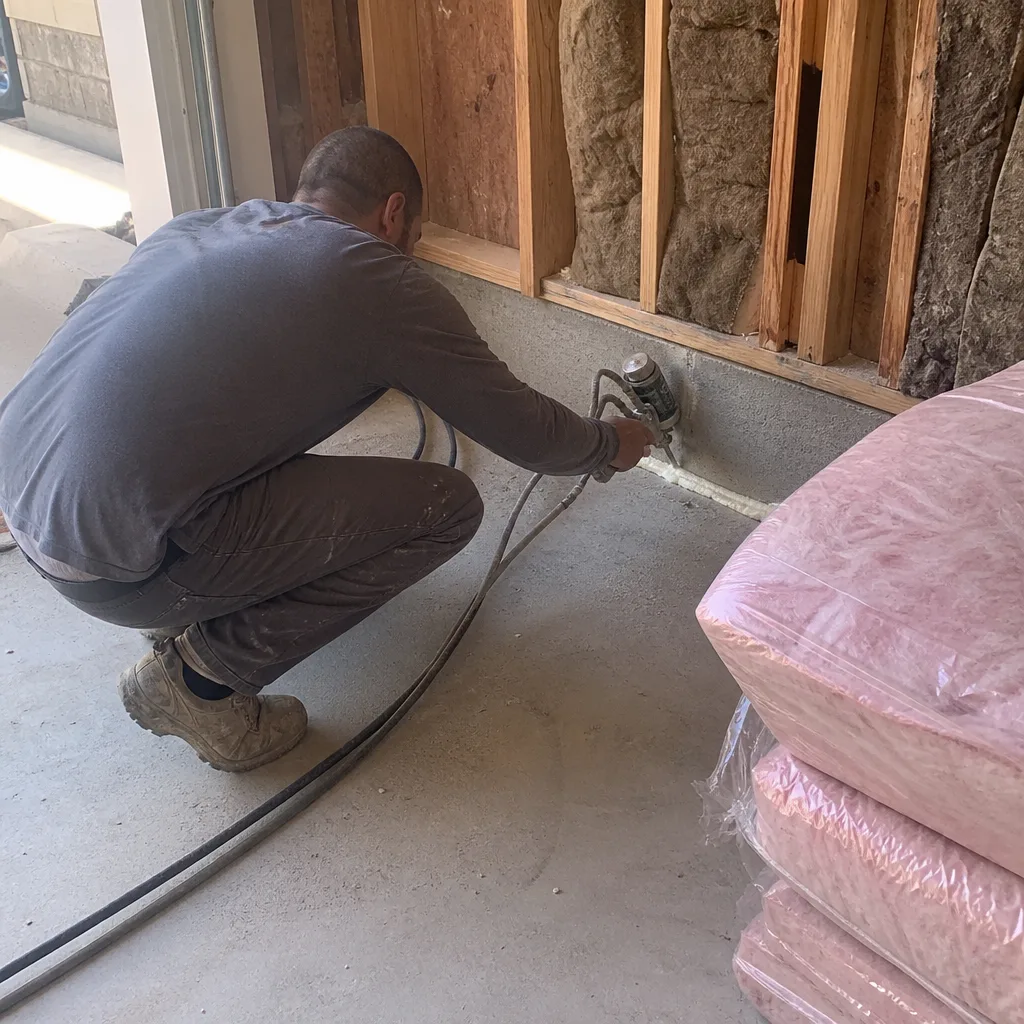
Call for professional assessment when: diagonal cracks appear at door corners (foundation movement); roof leaks follow Santa Ana wind events (structural or fastening issue, not sealant); HVAC output drops 15% or more (coil or duct leakage, often smoke-related); any water stains appear on interior surfaces (active leak, not historical); or grading has visibly settled or reversed. These conditions indicate problems beyond routine maintenance scope.
Ellery ADU Studio Rancho Cucamonga offers free estimates in Rancho Cucamonga for ADU maintenance assessments, warranty claim documentation, and corrective work. Call (909) 506-1121. We also provide a Free Second Opinion on any written estimate already in hand, with specific attention to whether the proposed scope addresses the actual condition or just the symptom.
Frequently Asked Questions
Every 18 months for coating condition, not the 24-month national standard. The Inland Empire UV index accelerates degradation. Call (909) 506-1121 if you’re unsure whether your current coating is still protective - estimates are free.
Yes. Garage conversion ADUs in Rancho Cucamonga often retain the original slab and roof structure, which may lack the insulation and ventilation specifications of new construction. The existing slab is frequently 4 inches, not the 6 inches we specify for new detached units, making it more susceptible to crack propagation from soil movement. We inspect these differently and document the specific vulnerabilities in our photo record.
Wind damage from properly constructed and maintained assemblies is covered under Haven Standard Clause 4 (Weather Resistance). Damage from neglected maintenance - lifted ridge caps that were visibly loose before the wind event, for example - is not. The distinction is in the documented condition before the event.
We specify enhanced pipe insulation for all ADUs above 1,800 feet elevation. Between 1,200 and 1,800 feet, it’s risk-based: occupied full-time ADUs with interior heat have lower risk; seasonal or unoccupied units need the same protection as higher elevations. We determine this during site prep and document the recommendation in the permit set.
Measure: place a level on the ground 10 feet from the foundation. The low end should point away from the structure with at least 2% slope (roughly 2.5 inches over 10 feet). If it’s flat or reversed, stop watering that zone and call for assessment. Corrective grading above 50 cubic yards may require a permit in Rancho Cucamonga.
Every visit produces dated, geotagged images of condition found, work performed, and condition after completion. Clients receive these within 48 hours, not a summary. Under Haven Standard Clause 3, this record is the evidence base for any future warranty claim or dispute. It’s not an extra; it’s standard on every project since 2015.
The Bottom Line
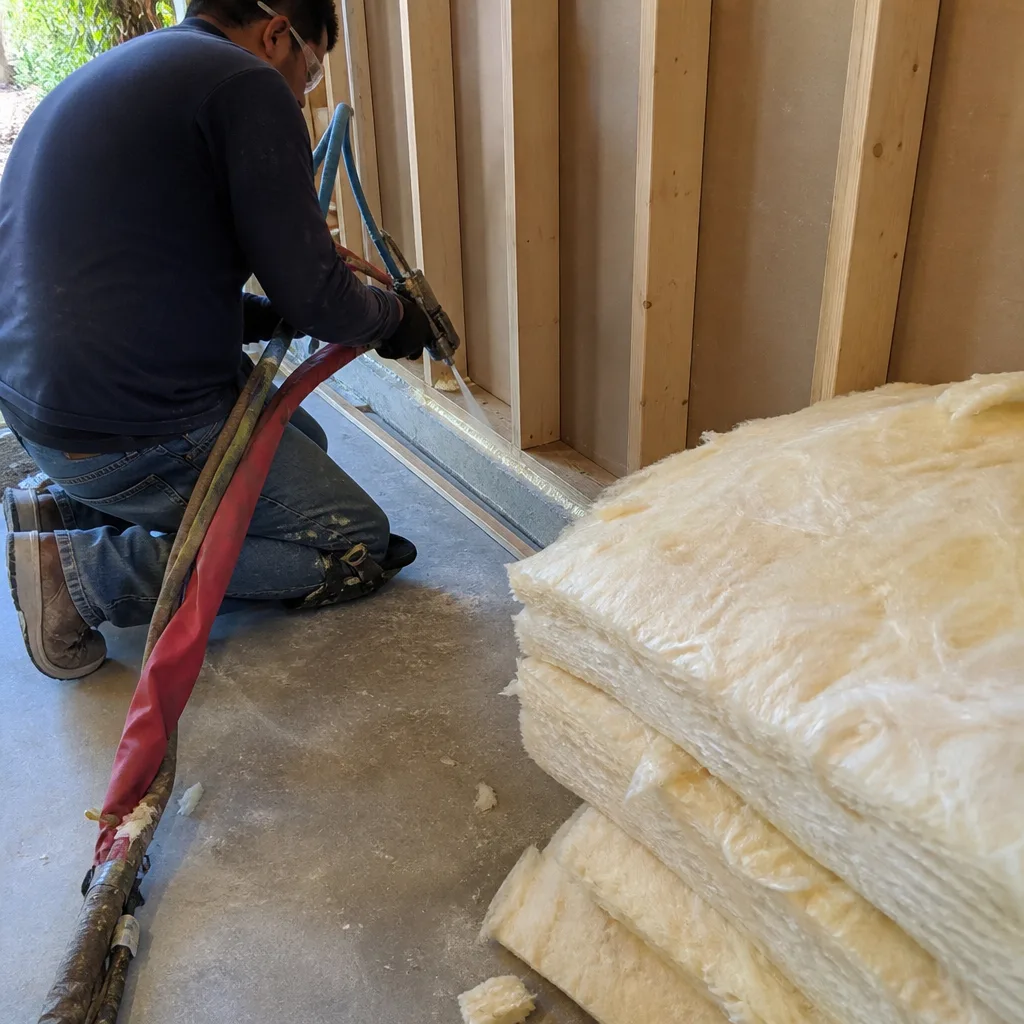
Rancho Cucamonga’s ADU maintenance schedule must account for UV exposure that exceeds manufacturer assumptions, Santa Ana wind events that test roof assemblies, freeze-thaw cycles in foothill zones, and El Niño rain patterns that concentrate annual precipitation into a few intense events. Generic maintenance guidance fails here because it wasn’t written for this specific climate stress profile. Follow the 18-month exterior inspection cycle, complete the fall wind protocol before October, verify your elevation-appropriate freeze protection, and retain your documented photo record. The 365-Day Done Right Promise backs our work, but it requires your participation in the maintenance schedule we provide. That’s the trade for a warranty that actually pays when called.
Written by Nadia Ellery, Owner at Ellery ADU Studio Rancho Cucamonga, serving Rancho Cucamonga since 2015.