
Last updated September 25, 2026
DIY vs Professional ADU: The Rancho Cucamonga Homeowner’s Decision Guide
Most Rancho Cucamonga homeowners assume the DIY-versus-professional question comes down to whether they can swing a hammer or read a blueprint. It doesn’t. California law draws the line at licensure, not competence. An owner-builder permit for your primary residence is legal, but sell within five years and you must disclose that unlicensed work to every buyer. Most lenders then require a licensed contractor inspection before funding the buyer’s loan. The DIY scope in an ADU project is narrower than any home improvement analogy suggests, and the financial penalties for misunderstanding that scope show up years later, not during construction. This guide walks through exactly what California permits an owner-builder to do, where the liability gaps open, and how to calculate the true cost of doing it yourself versus hiring a professional design-build studio in Rancho Cucamonga. For how to hire an ADU contractor in Rancho Cucamonga: a step-by-step guide, see our companion resource.
Quick Answer
DIY ADU construction in Rancho Cucamonga is legally limited to finish work, landscaping, and owner-furnished fixtures. California requires a licensed designer for the permit set and a CSLB-licensed contractor for construction exceeding $500. The owner-builder permit triggers a five-year resale disclosure requirement that complicates refinancing and home equity lending in San Bernardino County. For most Rancho Cucamonga homeowners, professional design-build delivery at a single written price eliminates the designer-to-builder handoff gap that derails most ADU projects.
Table of Contents
- What California Law Actually Permits an Owner-Builder to Do
- The Three Tasks Where DIY Involvement Is Genuinely Feasible
- How Owner-Builder Permits Affect Financing and Resale in San Bernardino County
- The Hidden Cost Calculation That Makes DIY Framing Counterproductive
- What ‘Professional’ Actually Means in the ADU Context
- Rancho Cucamonga-Specific Considerations: Climate, Code, and Market
- Common Mistakes to Avoid
- When to Call a Professional
- Frequently Asked Questions
- The Bottom Line
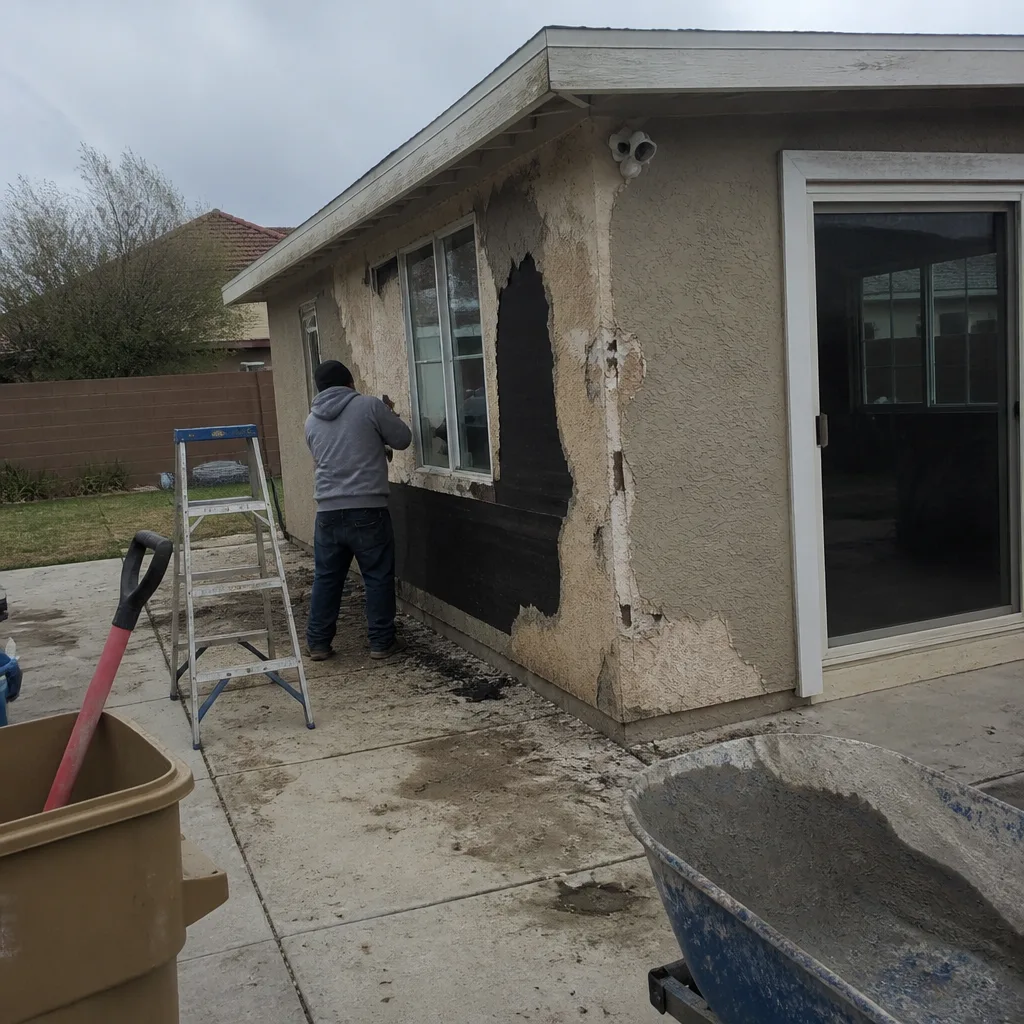 Before
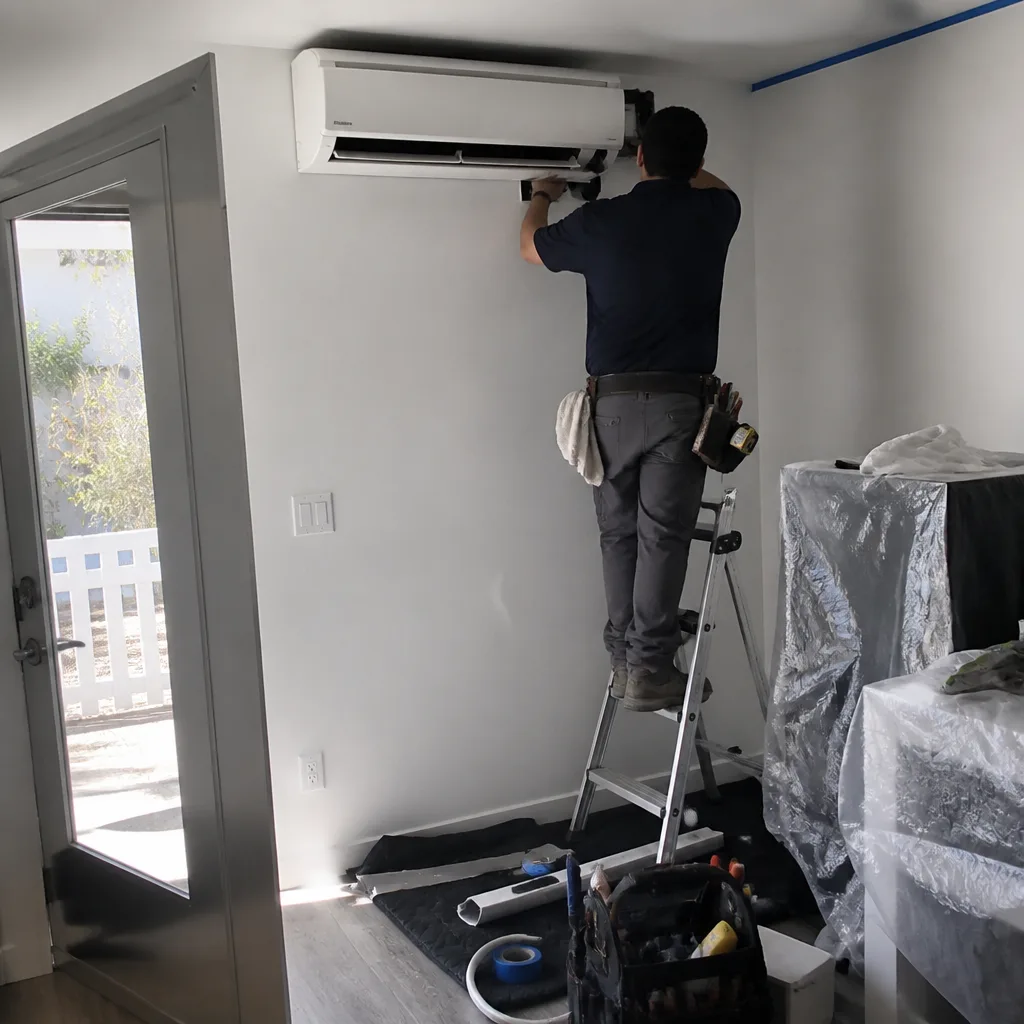 After
AfterWhat California Law Actually Permits an Owner-Builder to Do
California’s Business and Professions Code Section 7044 contains the owner-builder exemption that every Rancho Cucamonga homeowner cites when considering a DIY ADU. The language seems generous: an owner of property may act as their own contractor provided they reside or will reside in the structure. But the exemption carries precise boundaries that most online summaries omit.
First, the exemption applies to your primary residence, not to a detached ADU built for rental income. The CSLB has consistently interpreted that an ADU constructed for lease or sale falls outside the personal-use intent of the exemption. Build a new detached ADU in Rancho Cucamonga for your mother-in-law and you may skate through. Build it for Airbnb income and you’ve constructed without a license, a misdemeanor under B&P Code 7028.
Second, the $500 threshold is aggregate, not per-trade. Many homeowners believe they can self-perform framing while hiring out electrical. The CSLB views the project total. If your ADU construction exceeds $500 in labor and materials combined, the exemption vanishes unless you hold the appropriate license.
Third, the owner-builder must personally perform the work or use employees on payroll. Using “friends who know construction” or day laborers paid cash constitutes unlicensed contracting by the person directing them, even if you hold the permit.
We’ve reviewed permit files for Rancho Cucamonga ADUs where the owner-builder exemption was claimed incorrectly. The correction path involves stopping work, hiring a licensed contractor to assume the permit, and paying for re-inspection of all covered work. The cost typically runs $8,000-$15,000 before construction resumes.
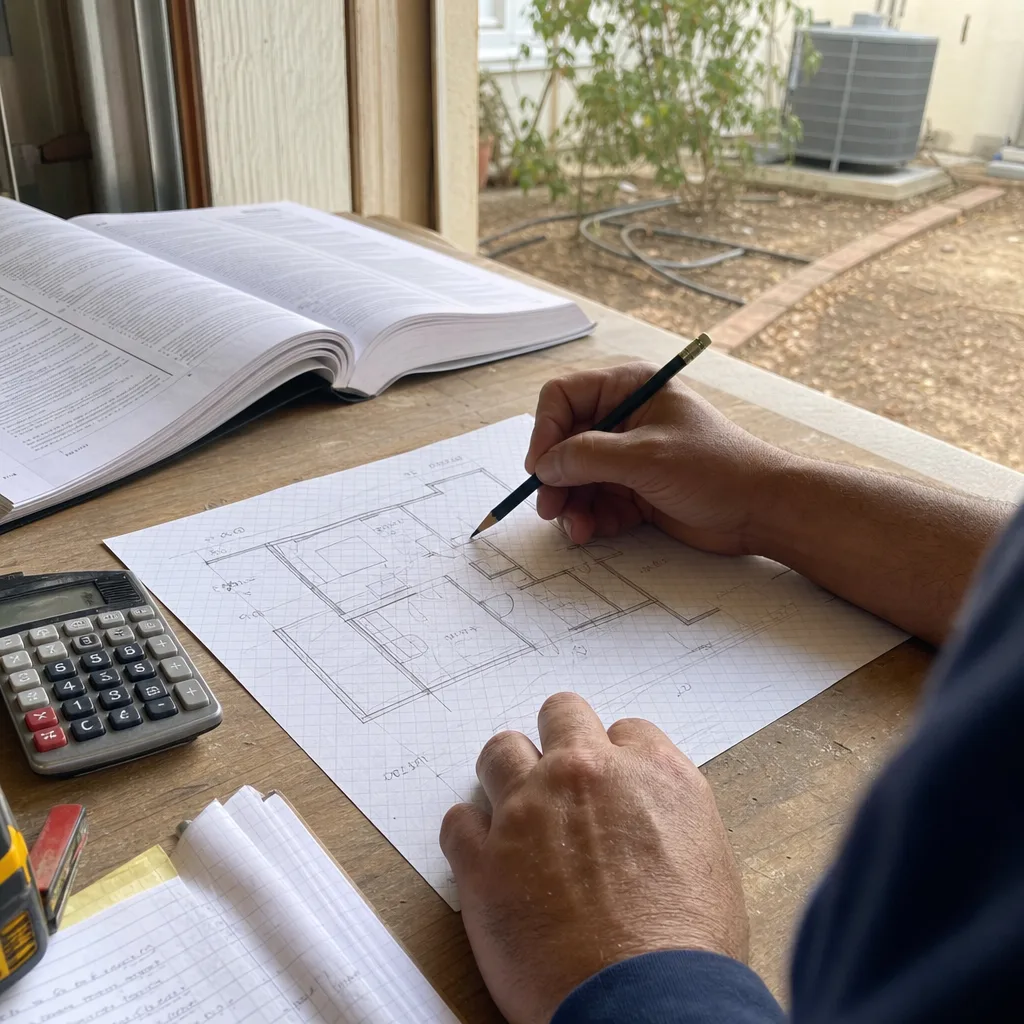
The permit set itself sits outside the owner-builder exemption entirely. California requires stamped drawings from a licensed architect or engineer for any ADU exceeding certain thresholds, and Rancho Cucamonga’s building department requires a complete structural, mechanical, electrical, and plumbing plan set for all ADU types. Self-drafting these plans is not permitted.
The Three Tasks Where DIY Involvement Is Genuinely Feasible
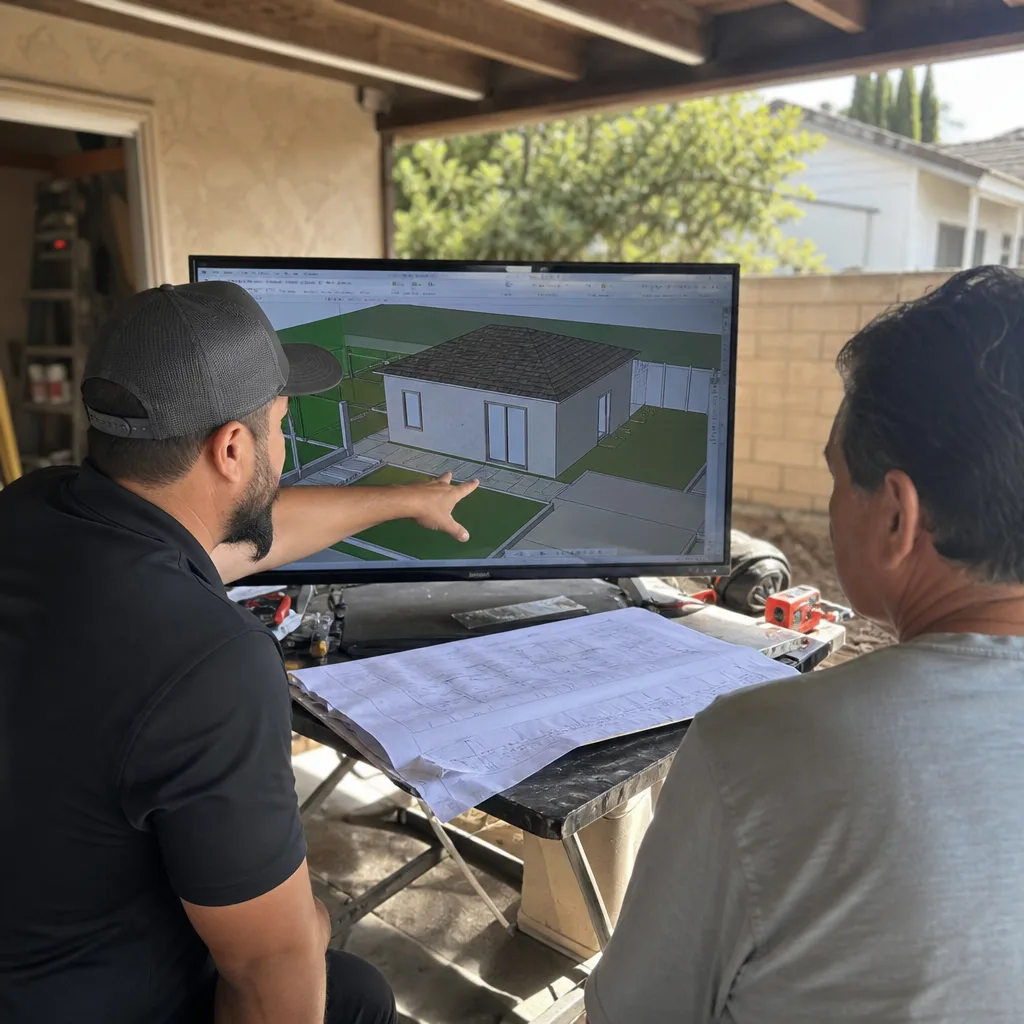
Within the legal boundaries, three categories of work remain genuinely available to Rancho Cucamonga homeowners without licensing exposure. The key is understanding where each category ends.
1. Finish Work After Final Inspection
Paint, flooring installation, cabinet hardware, and decorative trim fall outside CSLB jurisdiction when performed after the building inspector signs the final certificate of occupancy. This is not a loophole; it’s a deliberate exclusion for cosmetic work. We’ve seen Rancho Cucamonga homeowners in the Day Creek and Terra Vista neighborhoods install their own luxury vinyl plank flooring and custom closet systems after we completed the build, saving $3,000-$6,000 without touching the permitted scope.
The boundary: any finish work integrated with the building systems requires a license. Installing a backsplash is fine. Moving an outlet to accommodate it is not. Hanging a barn door is fine. Framing the opening to receive it is not.
2. Landscaping and Hardscaping Beyond the Building Envelope
Grading, irrigation, patios, and planting beds outside the ADU’s foundation perimeter do not require a contractor’s license unless they involve structural retaining walls over 30 inches or electrical/plumbing tie-ins. In Rancho Cucamonga’s clay-heavy soils, many homeowners handle their own decomposed granite pathways and native drought-tolerant plantings.
The boundary: any work affecting drainage toward the ADU foundation, or any gas line extension for an outdoor kitchen, requires licensed trades. We’ve corrected DIY grading in North Rancho Cucamonga that directed runoff toward the new ADU slab, violating the city’s drainage plan.
3. Owner-Furnished Fixtures and Appliances
You may purchase and provide your own plumbing fixtures, lighting, appliances, and hardware. The licensed contractor installs them, but you control the specification and often the cost. We’ve coordinated installations using owner-supplied Abodu fixtures and James Hardie siding selections that the client sourced directly.
The boundary: the contractor must approve compatibility and warranty coverage. A fixture without an IAPMO or CSA listing will fail Rancho Cucamonga inspection. A water heater without proper seismic strapping will be red-tagged. The savings from sourcing yourself range from 10% to 25% on fixtures, but the liability for compatibility rests with whoever specifies the item.
How Owner-Builder Permits Affect Financing and Resale in San Bernardino County
The five-year resale disclosure requirement for owner-builder work is where the DIY calculation turns long-term. California Civil Code Section 1103 requires disclosure of any work performed under an owner-builder permit within the prior five years. This is not a suggestion; it’s a mandatory transfer disclosure statement item.
In San Bernardino County’s lending environment, this disclosure triggers downstream requirements that most homeowners don’t anticipate:
- Conventional purchase loans: Fannie Mae and Freddie Mac guidelines do not automatically reject owner-builder work, but most lenders require a licensed contractor inspection letter confirming code compliance. Cost: $400-$800, paid by seller or buyer at negotiation.
- FHA and VA loans: These programs are stricter. We’ve seen FHA buyers in Rancho Cucamonga require full re-inspection of electrical and plumbing systems performed under owner-builder permits, with corrective work at seller expense.
- Home equity lending and cash-out refinancing: Banks treat owner-builder ADUs as unverified improvements. The appraisal may credit zero value for the ADU square footage without a certificate of occupancy from a licensed contractor’s permit. For a 500-square-foot ADU in Rancho Cucamonga’s market, that’s potentially $200,000-$300,000 in uncollateralized value.
- Title insurance: Some carriers exclude unpermitted or owner-builder work from coverage, or require a specific endorsement. This surfaces at closing, not during construction.
The financial exposure compounds. A homeowner who saves $15,000 on construction costs through DIY involvement may lose $25,000 in sale price negotiation, pay $5,000 in re-inspection and correction costs, and carry $200,000 in unborrowable equity for years. The calculation rarely favors the owner-builder when the time horizon is under ten years.
The Hidden Cost Calculation That Makes DIY Framing Counterproductive
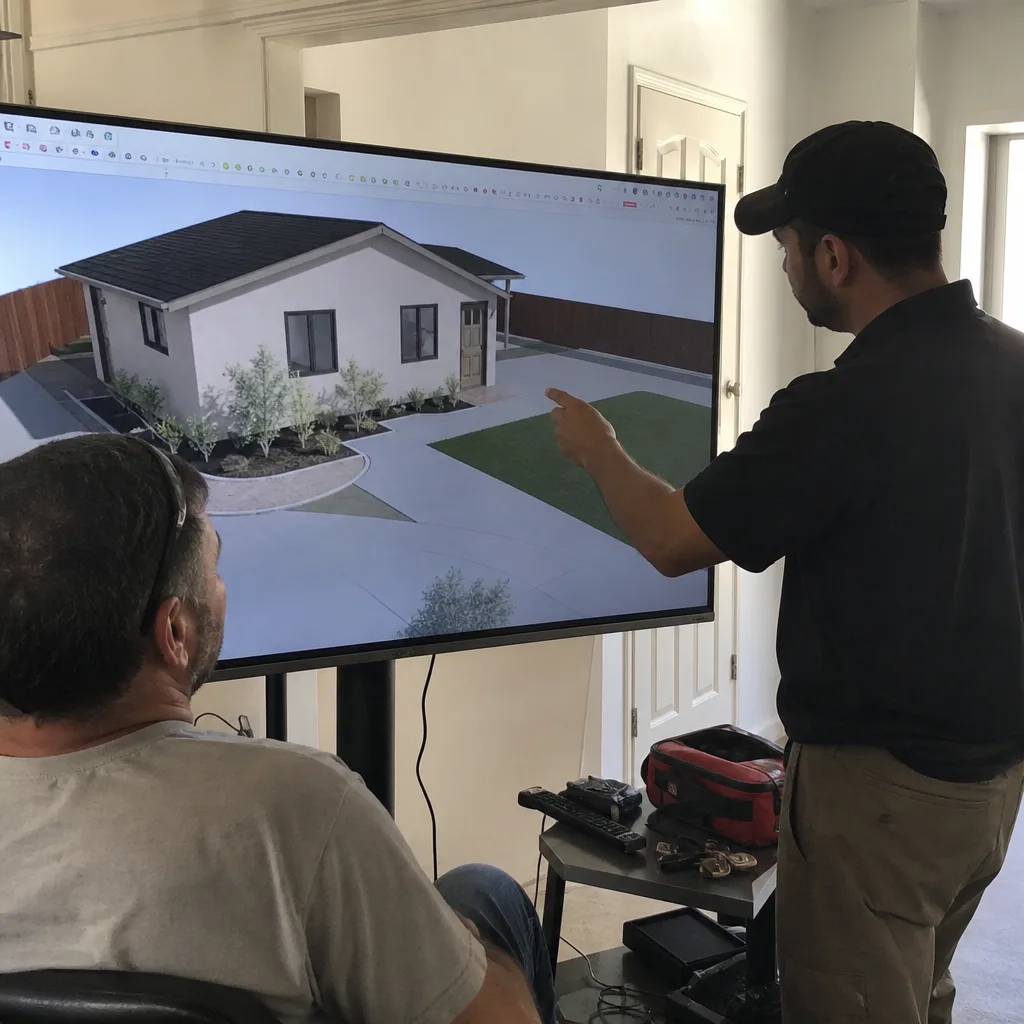
The apparent savings from self-performing rough construction trades dissolve under inspection economics. Rancho Cucamonga’s building department, like most in San Bernardino County, charges re-inspection fees and permit extension fees that penalize schedule slippage and correction cycles.
Here’s the line-item math we’ve documented across our 900+ ADU projects:
| Item | Typical Cost | Frequency in DIY Projects |
|---|---|---|
| Re-inspection fee (per trade, per visit) | $150-$300 | 2-4x per trade |
| Permit extension (90-day renewal) | $200-$500 | 1-2x per project |
| Framing correction labor (licensed carpenter to fix DIY work) | $45-$75/hour | 16-40 hours typical |
| Structural engineering review of non-standard framing | $800-$2,000 | 1x if inspector flags it |
| Hold costs (loan interest or lost rental income during delay) | $1,500-$4,000/month | 1-3 months typical |
A homeowner who self-performs framing and fails the first inspection faces a minimum $1,200 in re-inspection and correction costs, plus hold costs. The “savings” of not paying a framer’s $8,000-$12,000 bid evaporates if two inspection cycles fail and the project extends 60 days.
The more damaging cost is less visible: permit expiration. Rancho Cucamonga permits expire if work is suspended for 180 days. Re-activating an expired permit requires new plan review, new fees, and sometimes updated code compliance if the code cycle changed during the lapse. We’ve seen DIY projects in the Victoria Arbors area lapse across the 2019 and 2022 code cycles, triggering $4,000+ in updated energy compliance work that wouldn’t have been required under continuous professional construction.
What ‘Professional’ Actually Means in the ADU Context
Not all professional engagement is equal. The ADU industry in Rancho Cucamonga has three structural models, and the liability gap between them is where most projects founder.
Model 1: Designer Plus General Contractor
An architect or designer produces permit drawings. You bid the construction to general contractors. The designer’s contract ends at permit issuance. The GC’s contract begins at groundbreaking. When the as-built conditions don’t match the drawings, or the city inspector interprets a detail differently than the designer intended, each party points at the other. We’ve inherited projects in Rancho Cucamonga where this gap produced $20,000+ in change orders to reconcile design intent with field conditions.
Model 2: Design-Build Firm (Multiple Contracts)
Some firms offer design and construction under one roof but separate the contracts. Design is one agreement, construction another. This is better than Model 1, but the liability fracture remains. If the design contract is complete before construction pricing is fixed, the incentive to design to a budget is weak.
Model 3: Single-Contract Design-Build
This is Ellery ADU Studio’s structure: one contract, one written price, one license holder responsible from concept through final inspection. The ADU Design & Permitting in Rancho Cucamonga and the construction are inseparable. If the slab condition requires a footing adjustment, the same entity absorbs the cost and revises the drawings. Under Haven Standard Clause 5 (No Surprises), the scope is locked at signing; no door-side upsells, no scope creep.
The documentation difference matters. In Model 1 and 2, the homeowner receives drawings and a construction contract. In Model 3, the homeowner receives the permit set, a written price before any work starts per Haven Clause 1, a documented photo record on every visit, and the 365-Day Done Right Promise in writing. The permit set is the core product, not an afterthought.
For prefab and modular ADUs, this distinction intensifies. Coordinating a garage conversion ADU in Rancho Cucamonga with a Tuff Shed structure or James Hardie exterior system requires specification fluency across both the design and construction phases. A designer who hands off to a GC who has never installed that system creates a learning curve paid by the homeowner in delays and corrections.
Rancho Cucamonga-Specific Considerations: Climate, Code, and Market
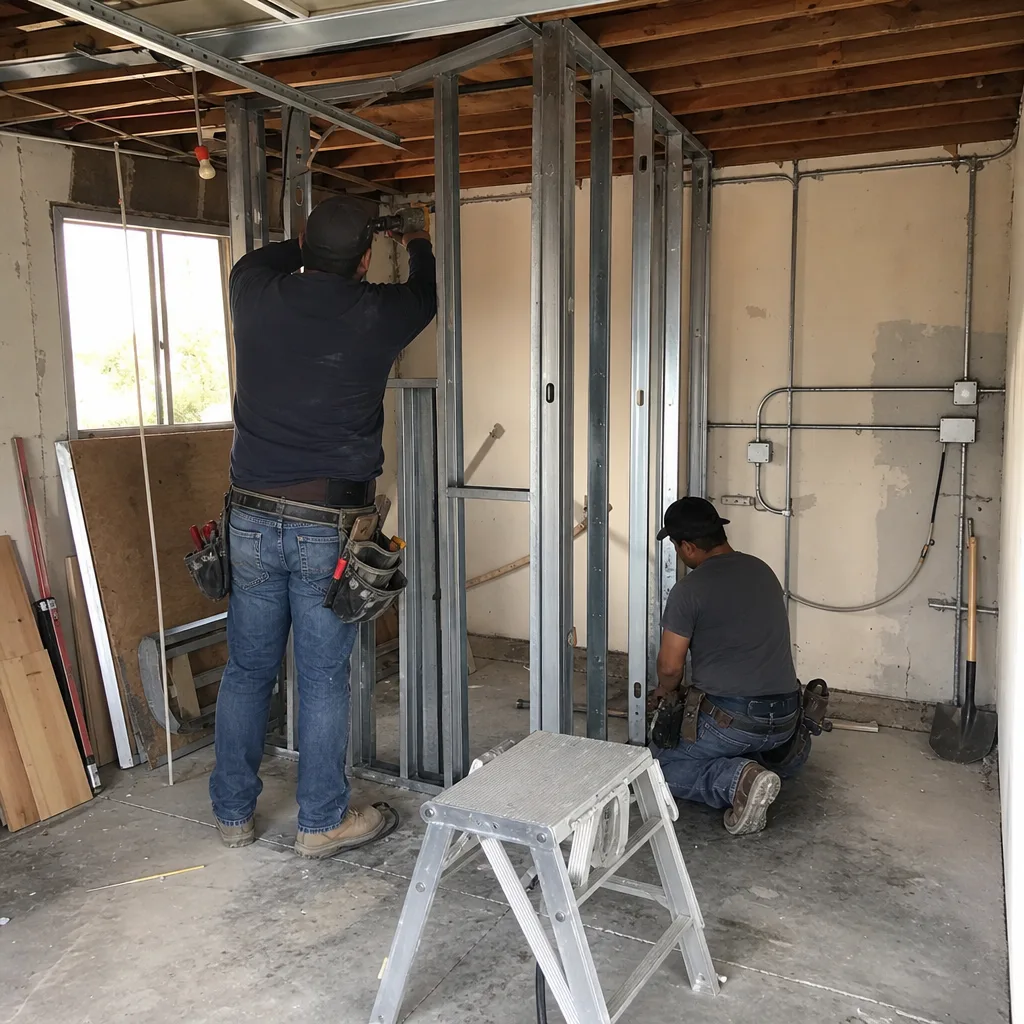
Rancho Cucamonga’s environment shapes ADU construction in ways that affect the DIY calculation.
Climate and geology. The city sits at the intersection of multiple seismic zones with expansive clay soils. Foundation design requires geotechnical awareness that most homeowners lack. We’ve seen DIY slab pours in the Etiwanda area crack within two years because the mix design didn’t account for the local sulfate content. Professional specification includes a 3,000 PSI minimum with Type II cement, documented in the permit set.
Fire hazard severity zones. Portions of north Rancho Cucamonga fall within Very High Fire Hazard Severity Zones. ADU exterior materials, eave venting, and emergency access requirements are stricter here. James Hardie fiber-cement siding is commonly specified in these zones for its non-combustible rating. DIY material selection without fire-code fluency risks inspection failure and rebuild.
Water conservation. Rancho Cucamonga enforces the Model Water Efficient Landscape Ordinance. ADU landscaping plans require separate submission and approval. A homeowner handling their own landscaping must still produce a compliant plan, or face hold on the certificate of occupancy.
Market context. Rancho Cucamonga’s ADU rental market supports $1,800-$2,400 monthly for a one-bedroom unit in most neighborhoods. The opportunity cost of a six-month DIY delay versus a three-month professional build is $5,400-$14,400 in lost rent, not counting the hold costs on construction financing. For homeowners in the Day Creek, Terra Vista, or Victoria Groves areas who bought between 2015 and 2025 at elevated prices, this rental income often covers the ADU payment. Delay is expensive.
Permit timeline reality. Rancho Cucamonga’s planning department has streamlined ADU review under state law, but the timeline assumes a complete, code-compliant submittal. DIY permit packages we’ve reviewed typically require 2-3 rounds of correction, adding 6-10 weeks. Professional permit sets, prepared with department-specific detail standards, typically clear in one round.
Common Mistakes to Avoid
- Assuming the owner-builder exemption covers ADU rental construction. It doesn’t. The CSLB exemption requires personal use intent. Build for income, and you’re constructing without a license.
- Using online plan templates for Rancho Cucamonga submittal. The city requires San Bernardino County-specific details, energy compliance forms, and local fire department clearance. Generic templates fail review and delay projects by months.
- Self-performing electrical or plumbing rough-in to “save money.” These trades require CSLB licensure and city licensing. Unlicensed electrical work in Rancho Cucamonga can be red-tagged, requiring full removal and replacement by a licensed electrician at 2-3x the original bid.
- Ignoring the five-year resale disclosure until listing. The disclosure requirement affects your refinancing and equity position continuously, not just at sale. Plan for it.
- Hiring a designer without construction pricing authority. Beautiful drawings that can’t be built for your budget are not a savings. The design-build model with a written price before work starts prevents this.
- Underestimating hold costs in Rancho Cucamonga’s market. At $2,000+ in potential monthly rent, every month of delay is a real cost, not an abstraction.
- Neglecting the photo documentation trail. If a dispute arises, your memory is not evidence. The Haven Standard’s documented photo record on every visit exists precisely because verbal summaries fail in conflict.
When to Call a Professional
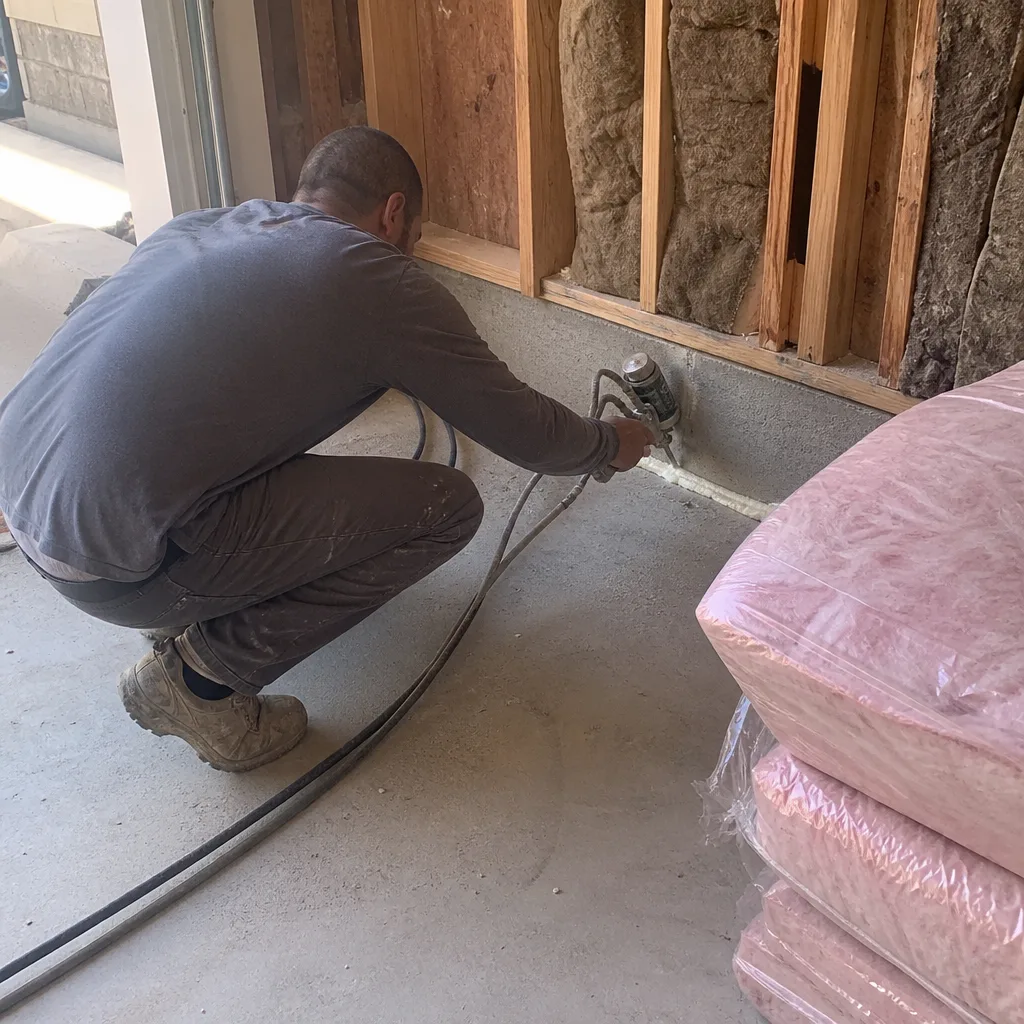
Call a professional when the project scope exceeds finish cosmetics, when financing or resale within ten years is probable, or when the permit timeline affects rental income or family housing needs. The true DIY scope in an ADU is narrow by design, California law, and financial logic.
Ellery ADU Studio Rancho Cucamonga offers free estimates in Rancho Cucamonga. Every project receives a written price before any work starts, per Haven Standard Clause 1. We also provide a Free Second Opinion on any written estimate already in hand. Call (909) 506-1121 to schedule your estimate or second opinion review.
Frequently Asked Questions
Professional garage conversion ADUs in Rancho Cucamonga typically run $85,000-$140,000 all-in, drawings through final inspection. New detached ADUs range $180,000-$320,000 depending on size, utilities, and site conditions. For a detailed ADU cost breakdown: the Rancho Cucamonga homeowner’s reference for 2026, see our dedicated breakdown. DIY apparent savings of 15-25% on labor typically erode through re-inspection fees, correction costs, permit extensions, and lost rental income during extended timelines. Call (909) 506-1121 for a written quote on your specific site - estimates are free.
No. The California owner-builder exemption in Business and Professions Code 7044 requires intent to reside in or use the structure for personal purposes. ADUs built for rental income fall outside this exemption. Using an owner-builder permit for rental construction constitutes unlicensed contracting, a misdemeanor with potential civil liability.
Only if performed by a CSLB-licensed electrician or plumber. Rancho Cucamonga’s building department verifies license status at rough-in inspection. Unlicensed work is red-tagged, requiring removal and replacement by a licensed tradesperson. The correction typically costs 2-3x the original licensed bid due to demolition and re-work.
Most lenders treat owner-builder ADUs as unverified improvements, potentially crediting zero appraised value without a certificate of occupancy from a licensed contractor’s permit. This can leave $200,000+ in construction cost uncollateralized. Some banks require a licensed contractor inspection letter as a condition of appraisal acceptance.
Under Haven Standard Clause 7, if the finished ADU is not built to the permitted drawings, Ellery ADU Studio makes it right - in writing, before the project starts. This covers workmanship, material installation, and conformance to the approved plans. The promise is backed by documented photo records from every site visit, creating an evidence trail for any correction needed.
Yes. Owner-furnished fixtures are common and typically save 10-25% on material costs. We verify compatibility, code listing, and warranty coverage before installation. This is one of the three legitimate DIY-adjacent scopes - specification and procurement - without licensing exposure.
The Bottom Line
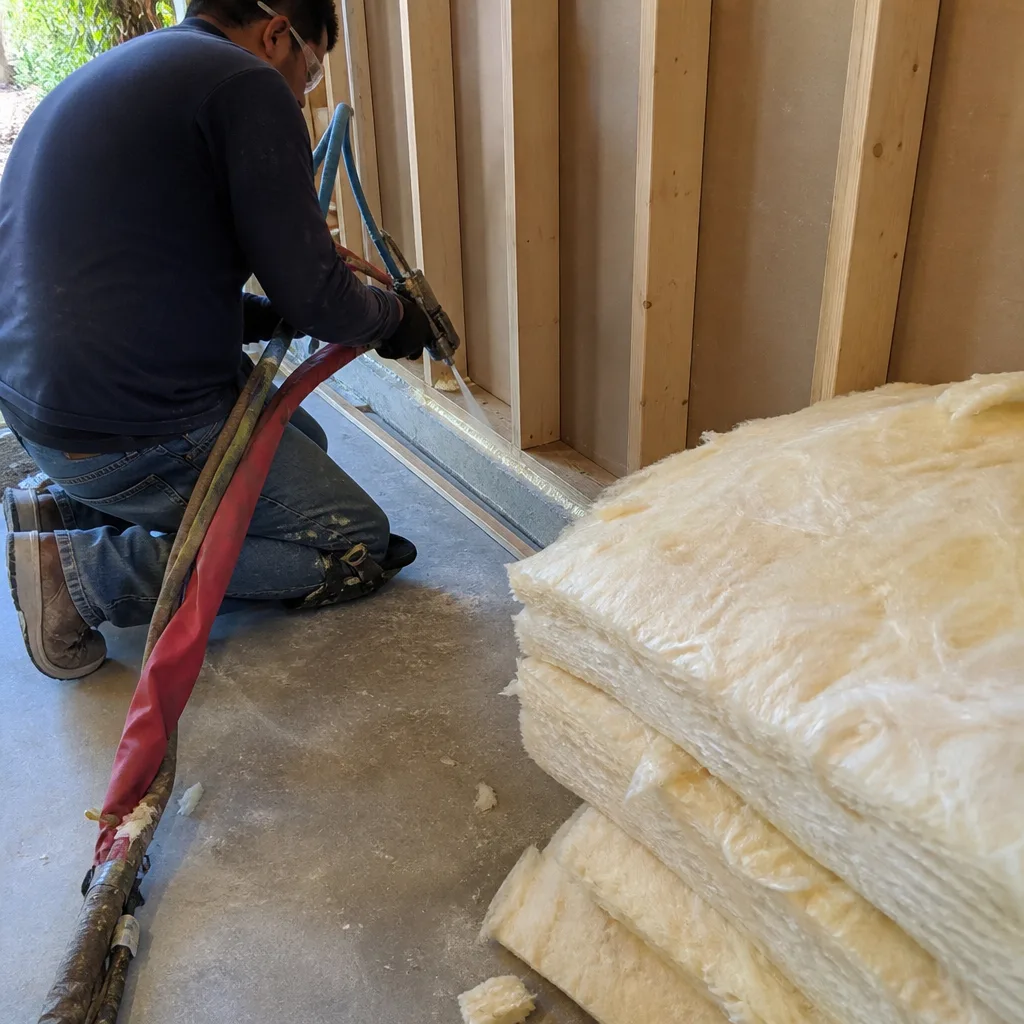
The DIY-versus-professional question for ADUs is not about your skill with tools. California law has already drawn the boundary: licensed designer for the permit set, licensed contractor for construction above $500, and a five-year resale disclosure that complicates financing for owner-builder work. The genuine DIY scope is finish work after final inspection, landscaping beyond the building envelope, and owner-furnished fixtures. Everything else carries legal exposure, hidden cost, or both. For Rancho Cucamonga homeowners weighing an ADU as a long-term asset, the design-build model with a single written price, documented permit set, and written warranty closes the liability gaps that separate Model 1 and 2 projects from predictable delivery. Explore more guides & resources in our blog.
Written by Nadia Ellery, Owner at Ellery ADU Studio Rancho Cucamonga, serving Rancho Cucamonga since 2015.